|
Product Description
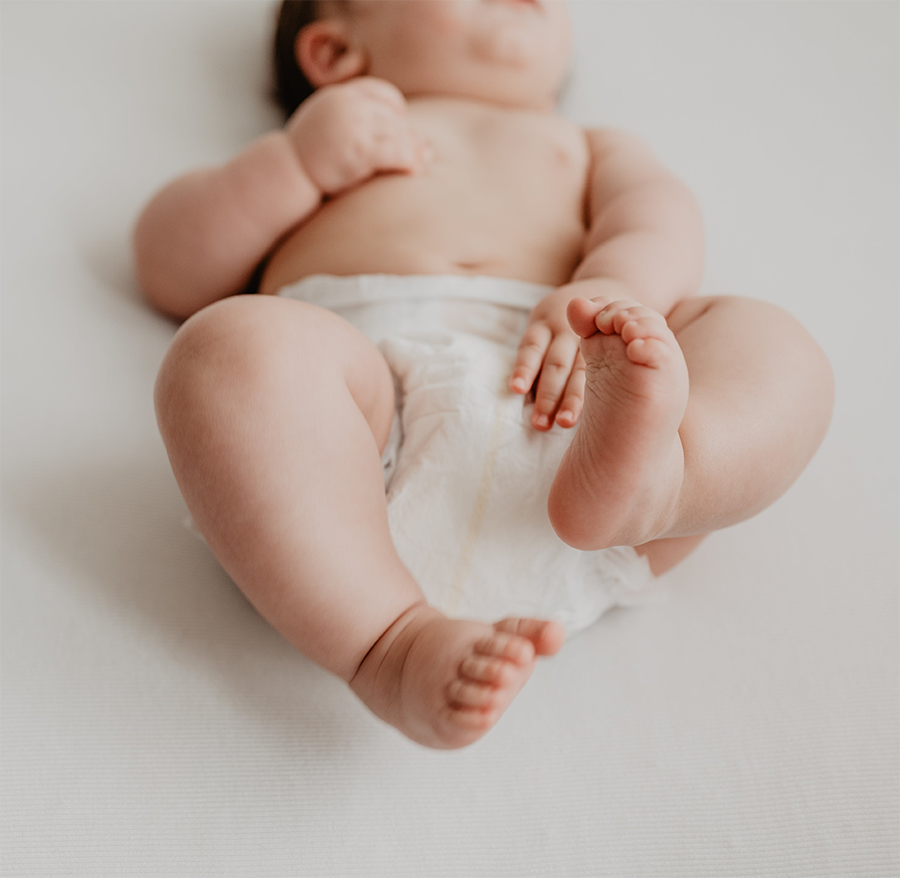
Presenting our newest offering, Non-woven Spunbond Fabric—the ideal solution for all of your needs related to diaper production! This fabric is made from premium materials and is particularly made to satisfy the needs of the diaper business.
Our Non-woven Spunbond Fabric, which is crafted with the finest care and accuracy, is the perfect starting point for making premium diapers. Because of its remarkable strength and resilience, your diapers will hold up against even the busiest toddlers.
Still, that's not all! Because of the superior absorption qualities of our fabric, you can be sure that your baby will be dry and comfortable in their diapers all day. Bid farewell to pain and leaks and hello to contented parents and joyful newborns!
Experience the difference when you use our Non-woven Spunbond Fabric for your diaper production needs. It's the best option available for making diapers that parents can rely on because of its outstanding features and unmatched quality.
Never skimp on comfort or quality. Purchase our Non-woven Spunbond Fabric right now to give your children the finest. Come see why many happy clients have chosen it as their preferred diaper producing option. Place your order right away to use our remarkable fabric to make your diapers stand out on the market!
|
Product Packaging
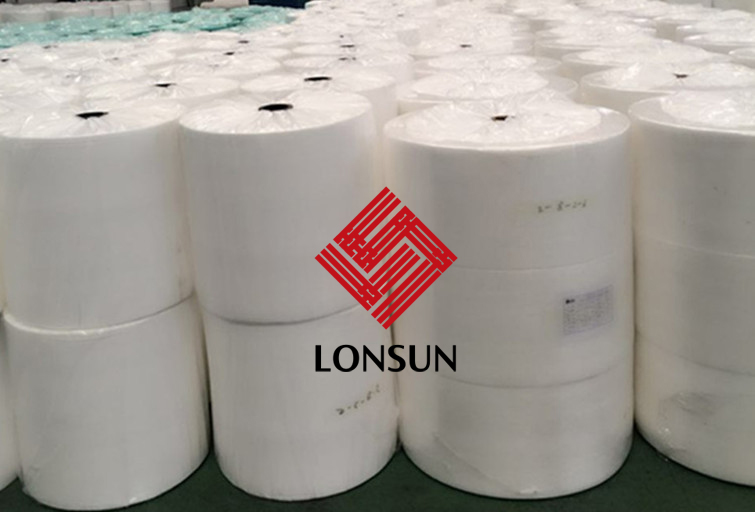
Wrapped by PE film
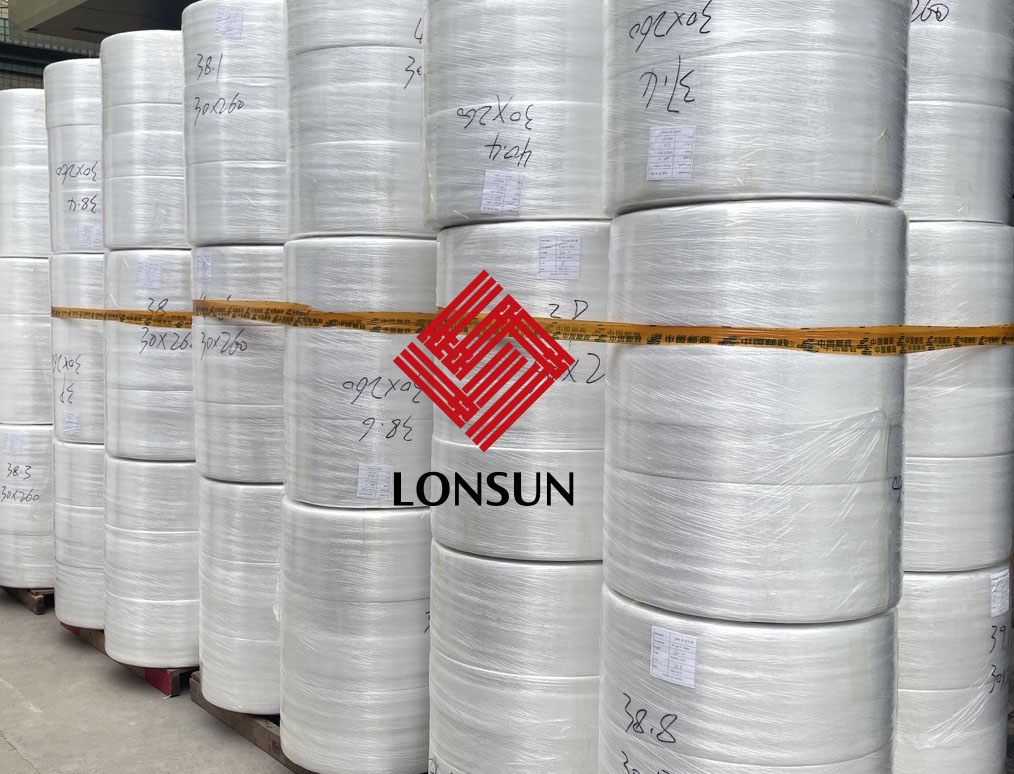
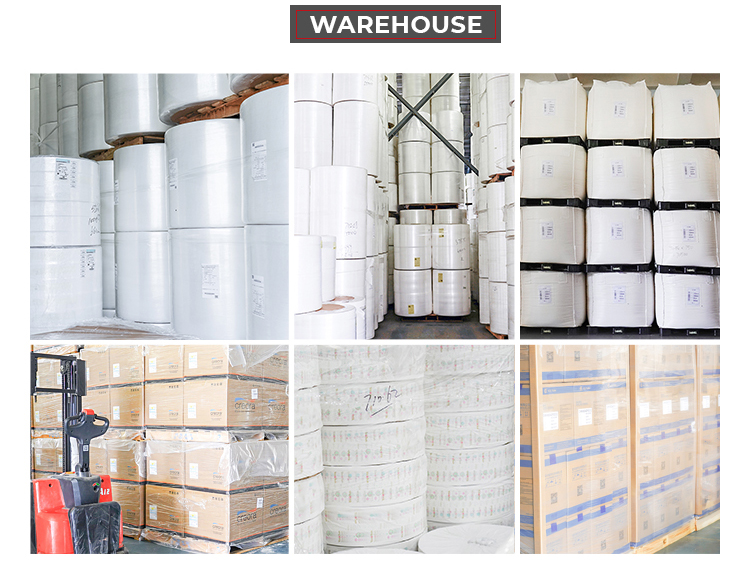
Warehouse
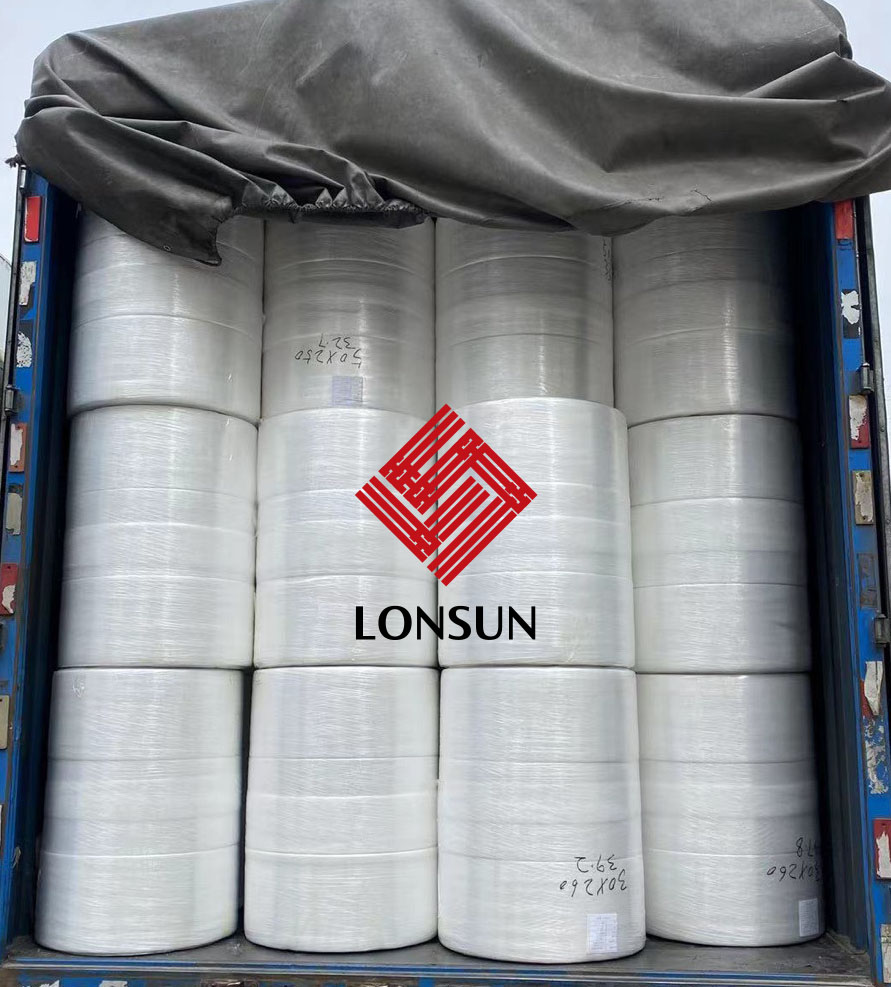
Container Loading
|
Application Video
Various nonwoven for baby diaper & sanitary napkin
|
Comment & FAQ
1. What type of nonwovens can you offer?
A: Spunbond nonwoven and hot air through nonwoven.
2. Applications for nonwovens?
A: Mainly used for baby diaper, sanitary pad, etc. sanitary products.
3. What is your main bussiness?
A: We are a advanced raw material supplier for baby diaper & sanitary pad.
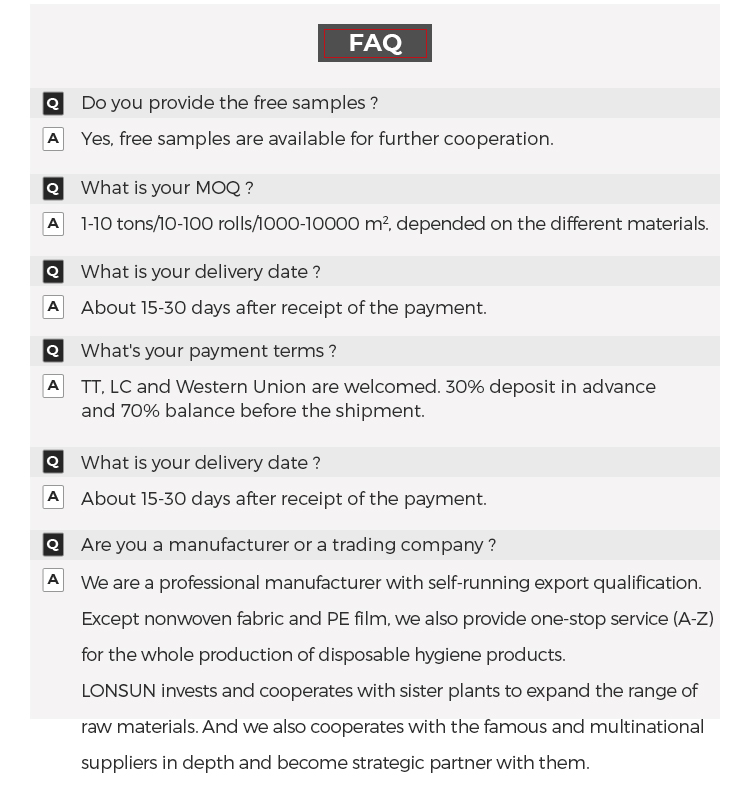
4. How can I get a sample?
A: Sample is available. Just offer your specification.
5. How can I place an order?
A: Contact us. Just send an injury or email. sales@toplonsun.com
|
Company Profile
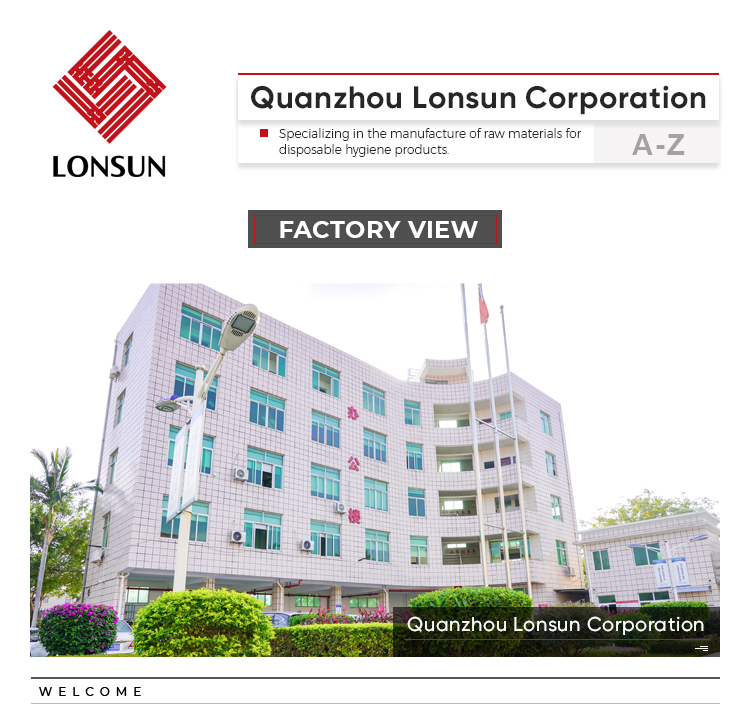
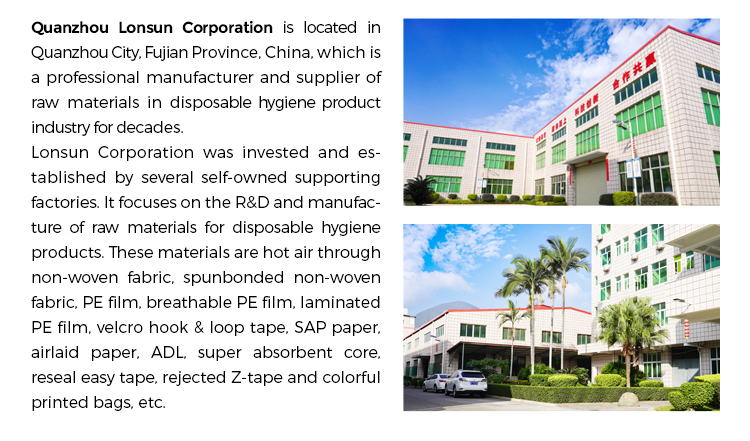
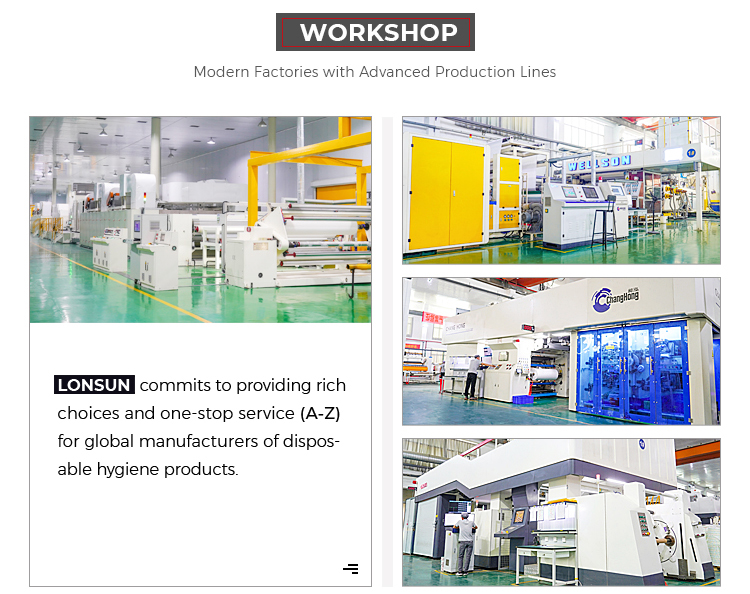
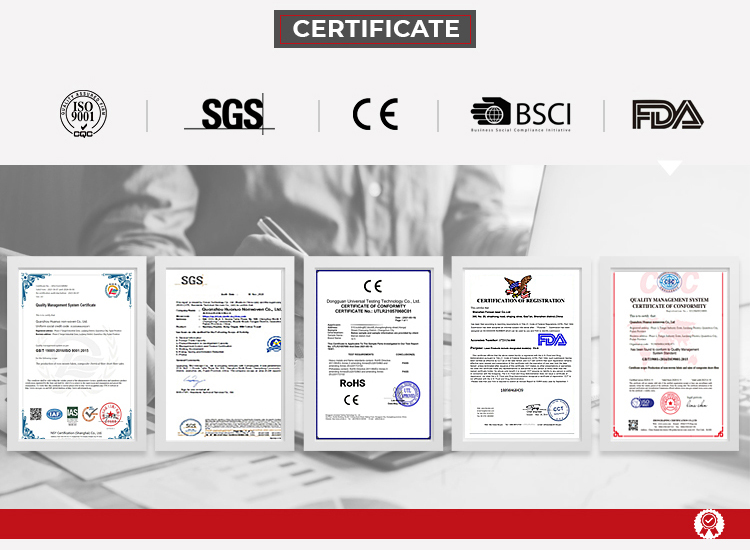
China super soft hydrophilic spun-bond non-woven supplier for baby diaper - LONSUN