English


Views: 0 Author: Site Editor Publish Time: 2026-09-18 Origin: Site


“Certified” is an incomplete purchasing specification. A certificate might describe a company’s management system, a test report might describe one sample, and a regulatory status might apply only to a particular finished product and intended use. Buyers of certified hygiene materials need to identify the claim, the entity, the material, the test and the destination market before treating a document as evidence. This distinction prevents both unnecessary paperwork and unsupported safety claims.
Request a scope-matched management certificate where relevant, a current specification, method-linked test results and lot traceability. Separately determine the legal requirements for the intended finished product in its target market. No single document replaces all of these checks.
Start a document register with four columns: the exact claim, the product or process it concerns, the supporting evidence and its expiry or review date. “Quality certified” is too broad to populate that register. A management-system certificate can support confidence in a defined organizational process; it does not substitute for a specification or a lot test. A laboratory report needs sample identification, method, results and the laboratory’s relevant competence. A supplier declaration states a position and should point to its legal and technical basis. A certificate of analysis should be linked to the incoming lot. Separate these functions even when all documents arrive in one email, and avoid presenting their combined existence as a universal approval.
Read certificate wording literally. Identify the legal entity, site, activity, standard edition, certification body, certificate number and validity dates. A certificate covering trading or sales at one address may not describe manufacturing at another facility. A broad statement about a company does not necessarily cover each supplied material family. Check the body’s register or an appropriate accreditation route when available, especially if the copy is cropped or the details cannot be read. Ask the supplier to explain any mismatch between invoice entity, factory name and certificate holder. An explanation may be legitimate, but it must be documented. This identity check is often more useful than collecting additional logos with no connection to the goods.
Distinguish a certificate from accreditation and from an audit report. Certification is a statement about a defined subject against specified requirements; accreditation concerns the competence of a body to perform certain conformity assessments. An audit report can explain findings and corrective actions but may not itself be a certificate. Ask whether the document is issued to the seller, a related company, a factory or an independent laboratory. Note whether the document is current and whether its public verification record matches the copy provided. Do not assume that a familiar logo proves a particular product passed testing. The useful question is always what was assessed, by whom, against which criteria and for what period.
| Document | What it addresses | What it does not establish alone |
|---|---|---|
| ISO 9001 certificate | Defined quality-management scope of an organization | Approval of each material or finished product |
| Test report | Results for identified samples and methods | Every future lot or every use condition |
| Certificate of analysis | Reported acceptance data for an identified lot | All destination-market obligations |
| Regulatory declaration | A stated classification or compliance position | Independent verification without supporting basis |
ISO publishes standards but does not itself certify companies; external bodies perform certification. ISO 9001 addresses a quality-management system rather than product conformity. In the EU, CE marking is mandatory only where applicable harmonized rules require it and must not be placed on unrelated products. Avoid treating “FDA certified” as a general material grade; establish the exact U.S. product classification and claim first.
A material specification should have a unique code and revision and identify its intended use. For a film, include the relevant thickness or basis-weight range, barrier test, mechanical properties and converting limits. For an elastic component, describe force at stated extension and recovery after a defined cycle. For an absorbent paper, state the liquid, loading and measurement method because absorbency numbers can change with protocol. Decide which characteristics are tested for every lot and which are verified during qualification or periodic review. The buyer should also test the material in its own construction. A report for a raw roll does not capture all the effects of bonding, stretching, cutting, storage and wear.
Compare the report sample with the proposed shipment. Match code, formulation or grade, production site, date and lot or representative sampling plan. If the supplier changes a treatment or a component while retaining the same marketing name, ask whether previous tests still apply. For sensitive attributes, request a defined notification period and a new sample before conversion. Keep the buyer’s incoming checks proportionate to risk: a high-impact barrier or skin-contact component may need a different sampling plan from a noncritical packaging element. A passing report cannot guarantee every roll, but a repeatable plan and clear acceptance limits make deviations detectable and manageable.
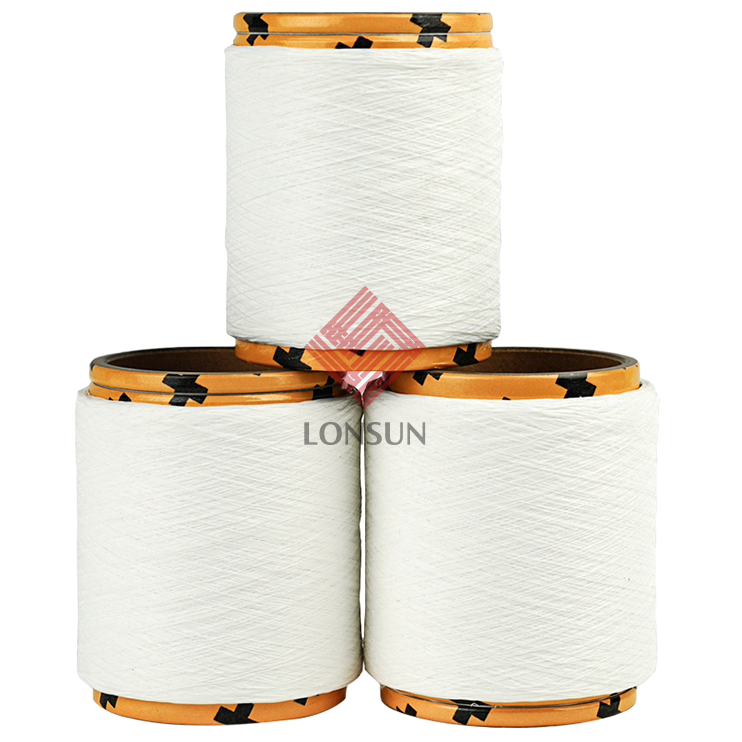
For diaper elastic film, request defined elongation, force, recovery and aging test conditions, then validate the finished stretch panel. For leg cuff spandex yarn, confirm the yarn identifier and test conditions rather than assuming that a denier label establishes cuff performance. A purchase specification should state the actual agreed yarn count explicitly, rather than relying on a catalog title.
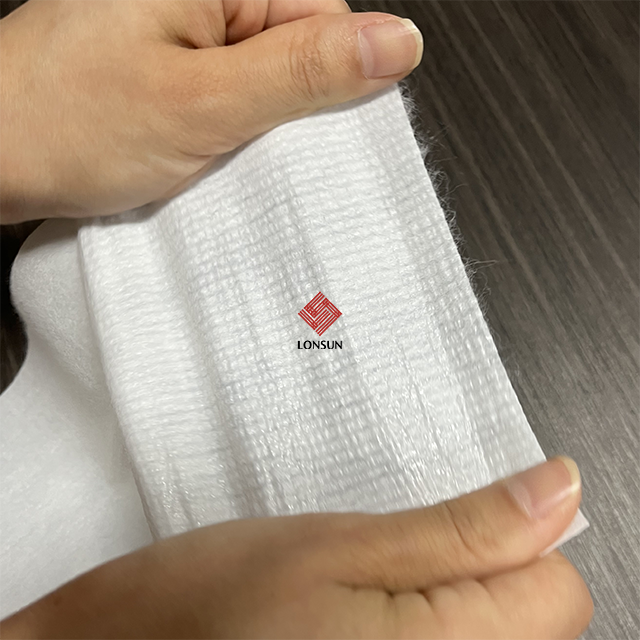
For laminated diaper backsheet, align barrier and bond test results with the exact layer construction and material code. For ultra-thin SAP paper, define the absorbency method, loading conditions and sample identity. A report for a similar grade or an earlier formulation is not a substitute for evidence on the material being purchased.
Do not turn certification vocabulary into a shortcut for product classification. The intended use and claims of the finished item can affect which requirements apply, and requirements differ by destination. A general infant diaper, an adult incontinence product, a pad and a product making a medical claim should not be assumed to share one regulatory route. Verify the applicable framework with the relevant authority or qualified local adviser before printing CE, FDA or medical language. The same caution applies to claims such as antimicrobial, hypoallergenic or biodegradable. They need appropriate evidence for the actual product and wording. Supplier documents may contribute to that file, but they do not by themselves settle the finished-product obligation.
Create a renewal calendar and assign an owner to each document. Check whether a certificate expires during a planned supply contract, whether the standard edition or scope changes, and whether revised material specifications have been approved internally. For each incoming shipment, keep the purchase order, material revision, lot IDs, analysis data where agreed and disposition record together. If a report fails, quarantine the affected lots, investigate the test and sampling conditions, and document any retest or deviation approval. Never replace a failed value with a favorable value from another sample without a defined procedure. A disciplined file is easier to audit and far more useful during a complaint than an unstructured folder of certificates.
Use a short pre-order checklist: identify the material and finished-product use; confirm the target market; list only the relevant certificates and test methods; verify entity and scope; link reports to the proposed grade; agree on lot records and change notice; and run a converting trial. Record who approved each point and what remains conditional. If a buyer cannot explain why a requested document is needed, the request may be misplaced; if a supplier cannot explain what a provided certificate covers, the evidence is not ready for reliance. This checklist makes the phrase “certified hygiene materials” a starting question rather than a conclusion.
Map requirements before requesting documents. Start with the destination, the finished-product description, intended use and proposed claims, then identify the applicable legal category. Determine which obligations belong to the finished-product brand, importer, manufacturer and raw-material supplier. Ask the supplier only for evidence it can legitimately provide, such as material composition, restricted-substance results under defined methods, batch records or quality-system scope. Keep a separate list for finished-product labeling and market-entry actions. This avoids a common mistake: demanding a generic “CE certificate for raw material” without first showing that the specific item falls under a CE-marking regime. It also avoids the opposite mistake of assuming a material declaration is enough to support a finished-product claim.
Plan an escalation path for ambiguous evidence. If a document is expired, request the updated copy and record the status of goods supplied in the gap. If the certificate names a different entity, obtain the corporate or supply-chain relationship and identify who actually manufactured the material. If a report omits the method or sample code, ask the laboratory or supplier for the complete version rather than inferring missing details. If classification remains uncertain, obtain market-specific advice before making a claim or applying a mark. Hold affected purchasing or labeling decisions as conditional until the gap is closed. This is more defensible than either rejecting every unfamiliar document or accepting every badge at face value.
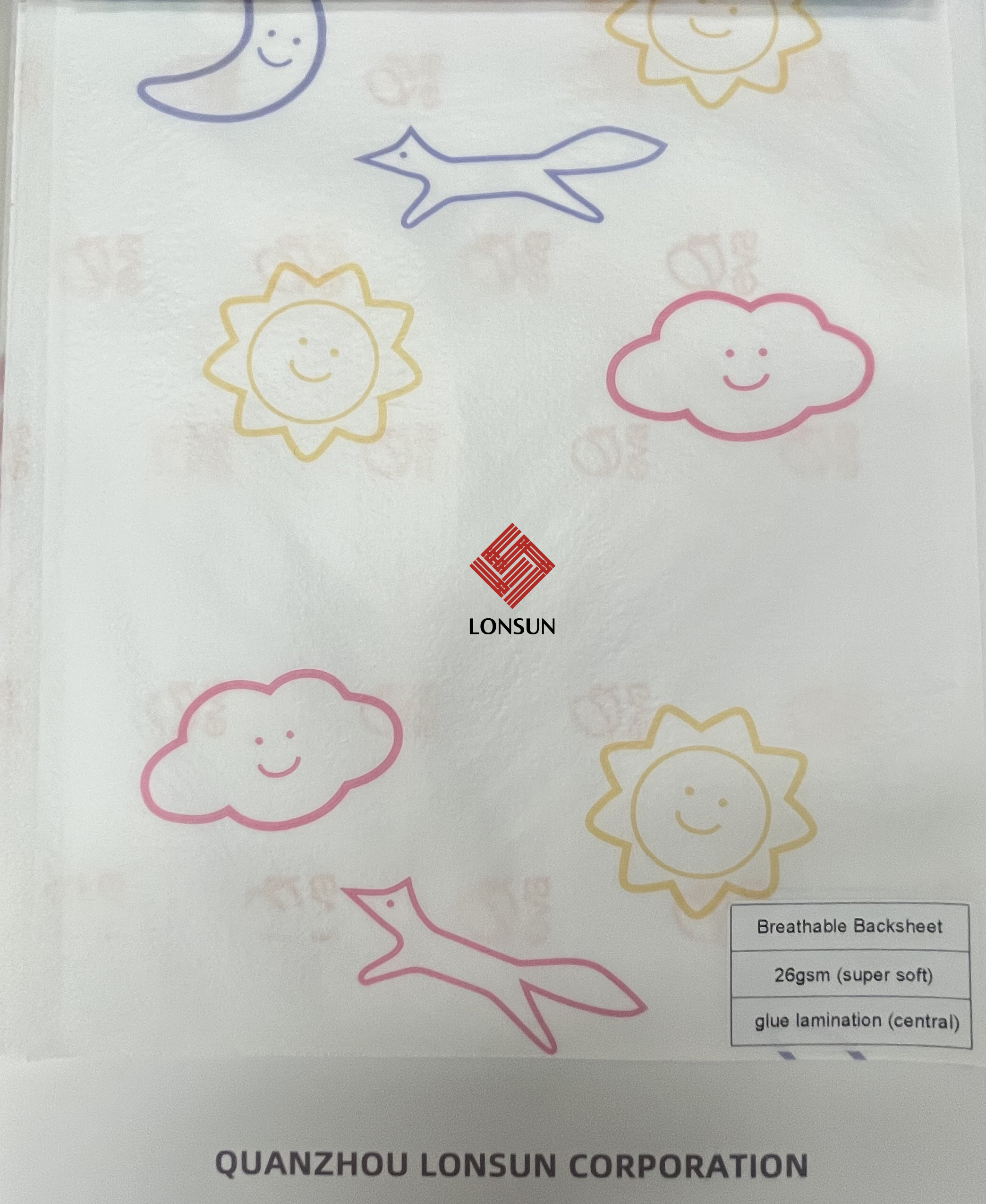
Compare the legal name and site address with the contracting entity and actual manufacturing location. Read the scope line, dates, certificate number and issuing body; confirm validity through the issuer or relevant accreditation route where available. Match every report to a material code, revision, sample date and batch. Ask whether subcontracting, reprocessing or a site change alters the documented scope.
Agree on a document refresh and change-notification process. A valid certificate can coexist with an out-of-spec shipment, so retain incoming inspection and nonconforming-lot procedures. Conversely, a missing certificate for an irrelevant scheme does not itself mean a material fails the buyer’s technical specification.
Buy the material against a defined specification, then interpret each certificate and report only within its stated scope. Separate supplier-system evidence, lot performance and finished-product obligations in the destination market. Lonsun is a manufacturer and supplier of hygiene raw materials, but no company description alone establishes certification for a particular grade or shipment. A concise, traceable document package gives B2B buyers a stronger basis for qualification than a long list of unexplained badges.
No; scope, classification, intended use and destination rules must be checked separately.
No; it concerns an organization’s defined quality-management system, not approval of a particular film.
No; first determine whether the applicable EU harmonized legislation requires CE marking for the specific product.
Compare material code, revision, sample or lot ID, test date and the shipment’s roll-level traceability records.


