Home
Home | About Us | Advantages | Blogs | Contact Us


- All
- Product Name
- Product Keyword
- Product Model
- Product Summary
- Product Description
- Multi Field Search
Views: 0 Author: Site Editor Publish Time: 2026-09-30 Origin: Site


The European Union’s REACH (Registration, Evaluation, Authorisation and Restriction of Chemicals) directive strictly governs chemical usage in consumer goods, with hyper-scrutiny on skin-contact products. Regulatory bodies apply intense oversight to items like diapers, adult incontinence products, and feminine care goods. For manufacturers of disposable hygiene products, adhesive non-compliance risks immediate EU market exclusion, supply chain bottlenecks, and severe brand damage. Companies simply cannot afford sudden product recalls due to unsafe chemical migrations or restricted substances.
Evaluating and shortlisting compliant Hygiene Adhesives requires balancing strict chemical safety thresholds with necessary bonding performance. You must satisfy toxicological requirements while delivering reliable elastic attachment and construction bonds. This guide explores how to audit your suppliers systematically. We will examine how to evaluate formulation risks, maintain manufacturing efficiency, and future-proof your procurement strategies against upcoming regulatory shifts.
REACH compliance in hygiene adhesives hinges on monitoring and limiting Substances of Very High Concern (SVHCs), particularly in skin-contact applications.
Transitioning to compliant hot melt formulations requires careful evaluation to ensure no loss of core performance (peel strength, shear resistance, odor control).
Procurement and R&D teams must demand granular Safety Data Sheets (SDS) and transparent migration testing data before shortlisting a supplier.
Future-proofing the supply chain requires anticipating upcoming regulatory expansions, rather than relying solely on current SVHC lists.
Non-compliance brings severe legal and financial risks to consumer goods manufacturers. Regulators can enforce sudden market bans if they detect restricted chemicals in your finished products. You might face immediate, highly publicized product recalls. Consumers will quickly lose trust in your brand when safety concerns arise. Rebuilding this shattered reputation often takes years of expensive public relations efforts. Retailers will also drop non-compliant brands to protect their own liabilities.
Defining a successful adhesive procurement strategy requires clear, measurable criteria. Your supply chain must guarantee zero Substances of Very High Concern (SVHCs) above the critical 0.1% weight-by-weight (w/w) threshold. You need full upstream traceability for every raw material used in the formulation. Furthermore, buyers must secure stable product availability. Regulatory changes often force chemical suppliers to discontinue non-compliant ingredients abruptly. A robust strategy prevents these sudden material shortages.
Clarifying the regulatory scope helps teams understand their precise obligations. REACH applies directly to the chemical mixtures and polymers used during non-woven assembly. While you sell a finished physical article, European authorities scrutinize the chemical preparations applied during manufacturing. If an adhesive migrates through the non-woven top sheet and contacts human skin, regulators treat it with maximum severity. Manufacturers must document exact chemical volumes imported into or used within the European Economic Area.
Establish a cross-functional compliance team involving procurement, legal, and R&D.
Map out the exact chemical flow of your non-woven assembly lines.
Set internal thresholds stricter than the 0.1% w/w baseline to create a safety buffer.
Identifying the specific chemical risks historically associated with industrial adhesives remains crucial. Legacy formulations often relied on heavy chemical processing to achieve rapid tack and strong adhesion. These older methods introduced hidden hazards into the manufacturing environment and the final product. Understanding these historical evaluation dimensions helps procurement teams spot red flags early.
When analyzing a Hot Melt Adhesive, you must target specific substance categories. Regulators monitor these groups aggressively:
Residual monomers and volatile organic compounds (VOCs): These unreacted chemicals can off-gas during production or while sitting in retail packaging, causing unwanted odors and respiratory irritation.
Phthalates and plasticizers: Manufacturers historically used these to improve adhesive flexibility. Authorities now heavily scrutinize them for potential endocrine disruption.
Rosin derivatives: While offering excellent tack, certain unrefined rosins carry significant skin sensitization risks when placed near sensitive areas.
Buyers must move beyond generic marketing labels like "REACH Compliant." You need an evidence-oriented check for every batch. Mandate raw material traceability from your vendors. Unscrupulous suppliers might rely on self-certification without conducting actual lab testing. You must demand the exact chemical breakdown of the resins, polymers, and antioxidants used. This proactive approach prevents hidden SVHCs from sneaking into your supply chain via cheap, undocumented raw material substitutions.
Many procurement teams fail because they only check the finished adhesive's safety sheet. They ignore the upstream raw material origins. A supplier might change their tackifier resin source to save money. This unchecked change can introduce restricted impurities into a previously safe product. Always tie compliance approval to specific, locked formulation recipes.
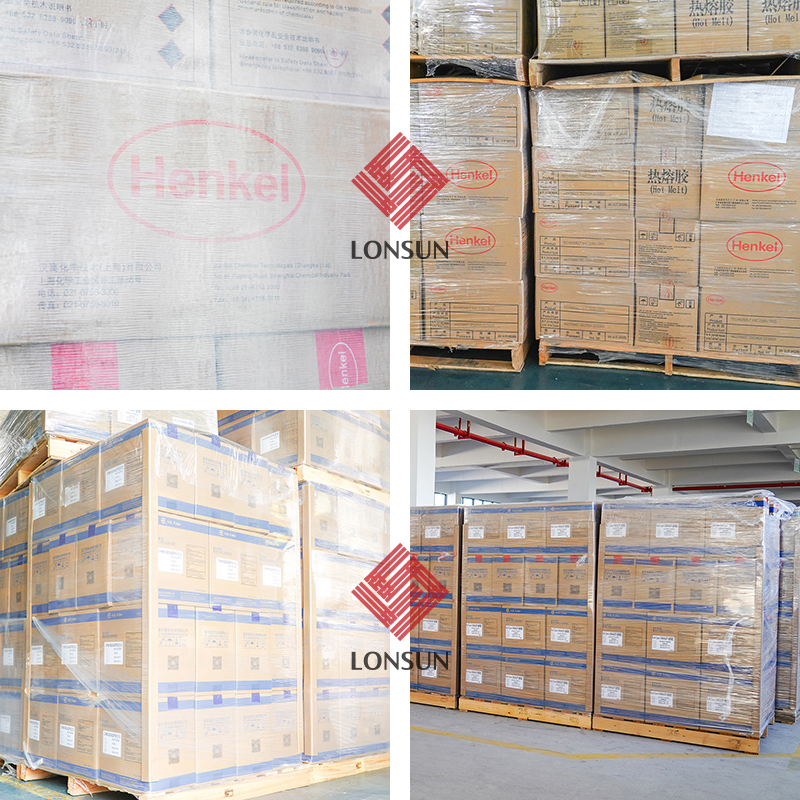
Comparing traditional formulations against next-generation alternatives reveals distinct differences. Older adhesives prioritized raw bonding strength and aggressive cost reduction. Next-generation, low-VOC, REACH-compliant alternatives prioritize purity. Modern polymer science allows formulators to create highly refined synthetic resins. These new mixtures eliminate harmful residues while maintaining the necessary mechanical properties for high-speed manufacturing lines.
Balancing structural integrity with strict toxicological profiles defines the Diaper Adhesive evaluation process. Infant skin absorbs substances readily and reacts aggressively to irritants. You must eliminate sensitizing agents entirely. Simultaneously, the adhesive must secure elastic leg cuffs under constant tension. It must hold construction bonds intact while the diaper absorbs significant liquid volume. Finding a compliant formulation that prevents elastic creep requires rigorous mechanical testing alongside chemical auditing.
Evaluating a Sanitary Pad Adhesive brings different performance challenges. Positioning adhesives must adhere securely to various underwear fabrics without leaving sticky chemical residues upon removal. You must ensure these formulations meet stringent dermatological safety limits. Any chemical transfer to garments can cause secondary skin exposure. R&D teams must verify that the adhesive maintains its peel strength across different temperature and humidity ranges without compromising safety.
Addressing the realities of formulation shifts remains essential. When phasing out restricted chemicals, you will encounter trade-offs. You might observe changes in melt viscosity, requiring operators to adjust application temperatures. The open time of the adhesive might shrink, forcing faster assembly line speeds. Thermal stability in the melt tank might differ, necessitating updated maintenance protocols to prevent charring.
Performance Metric | Traditional Formulations | Next-Gen REACH-Compliant Formulations |
|---|---|---|
Chemical Purity | Variable; often contains unrefined resins. | High; uses highly hydrogenated synthetic polymers. |
Odor & VOCs | Noticeable odor upon melting. | Low-odor to odorless; minimized VOC off-gassing. |
Thermal Stability | Prone to color change and charring over time. | Excellent stability; reduces nozzle blockages. |
Melt Viscosity | Standardized across wide temperature ranges. | May require precise temperature calibration. |
Systematically evaluating an adhesive manufacturer's regulatory maturity requires a rigid implementation and shortlisting logic. You cannot rely on verbal assurances. You must assess how deeply compliance integrates into their corporate culture. Do they have a dedicated regulatory affairs team? Do they actively monitor ECHA (European Chemicals Agency) updates? A mature supplier anticipates changes rather than scrambling to react after a restriction takes effect.
Utilizing Safety Data Sheets effectively forms the foundation of your audit. You must verify hazard classifications carefully. Review Section 16 of the SDS to track revision histories and regulatory standard updates. Scrutinize the first-aid measures and toxicological data provided. If an SDS lacks specific data points or uses vague phrasing like "proprietary mixture" without providing regulatory guarantees, disqualify that supplier immediately.
Requiring ISO 17025 certified lab results adds a necessary layer of trust. You need objective proof of safety.
Request detailed chemical migration testing reports for your specific non-woven substrates.
Demand skin sensitization testing results, specifically referencing globally recognized standards like ISO 10993.
Verify that the testing laboratory holds current, independent accreditation.
Cross-reference the test report dates to ensure they match the current adhesive formulation.
Ensuring the supplier has a formal Management of Change (MoC) process protects you from unannounced alterations. Upstream raw materials frequently change their REACH status. Your supplier must have a documented notification process. They must alert you immediately if a resin supplier alters a formula. They should provide a transition plan well before the old formulation becomes non-compliant.
Understanding that authorities update the SVHC Candidate List biannually helps you mitigate risk effectively. Regulatory bodies continuously evaluate new chemical data. What authorities consider safe today might face strict restrictions tomorrow. Procurement teams must monitor these evolving lists constantly. Relying on an outdated compliance certificate leaves your finished hygiene products incredibly vulnerable to sudden border rejections or retail bans.
Evaluating suppliers based on their proactive R&D capabilities defines predictive compliance. Top-tier adhesive manufacturers do not wait for official restriction announcements. They monitor preliminary chemical assessments and early-stage regulatory debates. They actively phase out questionable chemicals long before those substances land on the official restriction lists. Partnering with these forward-thinking suppliers guarantees continuous product availability during turbulent regulatory periods.
Aligning adhesive procurement with broader environmental, health, and safety (EHS) goals protects your overarching business interests. Safe chemicals mean safer factory floors. You reduce respiratory hazards for line operators who work near hot melt tanks. You minimize hazardous waste disposal requirements. By prioritizing highly refined, REACH-compliant materials, you actively support corporate sustainability targets while insulating your brand from negative consumer health campaigns.
Beware of suppliers offering steep discounts on legacy formulations. These discounts often signal that the supplier is attempting to clear inventory before an impending chemical restriction takes legal effect. Buying this cheap stock transfers the regulatory risk directly onto your shoulders.
REACH compliance functions as a continuous evaluation process, not a one-time certification to file away and forget. As regulatory frameworks expand to cover more complex polymers and endocrine disruptors, hygiene product manufacturers must remain intensely vigilant. The safety of vulnerable consumers relies heavily on the purity of the hidden bonds holding these products together.
To secure your supply chain, procurement teams must take immediate, proactive steps:
Initiate a comprehensive, internal audit of all current adhesive SDS documentation.
Request updated chemical migration and ISO 10993 testing data from all shortlisted vendors.
Implement strict Management of Change agreements with your chosen suppliers.
Establish a biannual review cycle aligned with ECHA SVHC list updates.
A: Yes, if the final hygiene product (or the adhesive itself) is imported into the European Economic Area (EEA), it must comply with REACH restriction and registration limits. The regulation focuses on the physical presence of chemicals inside the EU market, regardless of where global factories initially assembled or manufactured them.
A: RoHS restricts specific hazardous materials primarily found in electrical and electronic products. REACH applies much more broadly to chemical substances across all industries, including non-wovens, packaging, and personal care. Adhesives used in disposable diapers fall strictly under REACH jurisdiction rather than RoHS guidelines.
A: Best practice dictates reviewing SDS documentation annually, or immediately following any biannual update to the ECHA SVHC Candidate List. You should also demand an updated SDS whenever your supplier notifies you of a formula modification through their formal change management process.


