Home
Home | About Us | Advantages | Blogs | Contact Us


- All
- Product Name
- Product Keyword
- Product Model
- Product Summary
- Product Description
- Multi Field Search
Views: 0 Author: Site Editor Publish Time: 2026-01-16 Origin: Site


The hygiene product material industry is transforming rapidly. As consumer health awareness grows, so does the demand for sustainable and innovative materials. In 2026, companies are embracing new technologies to meet environmental and performance standards.
In this article, we will explore key trends shaping the hygiene material market. You will learn about sustainable practices, smart technology, and material innovations driving change in the industry.
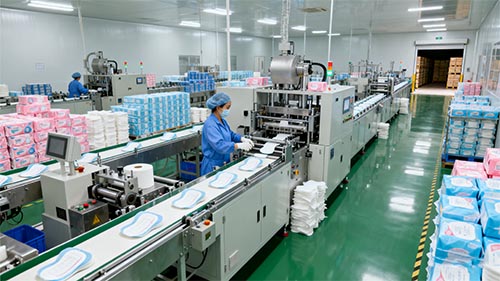
Green Materials The shift toward sustainability is one of the most significant trends in the hygiene material sector. The industry is increasingly adopting biodegradable polyethylene (PE) films, PLA-based nonwoven fabrics, and other eco-friendly materials. These materials reduce reliance on traditional plastics, offering a more environmentally responsible alternative.
● Biodegradable Films: As more brands strive to meet sustainability goals, biodegradable PE films are being used in products such as wipes and sanitary pads. These films break down more quickly than traditional plastics, reducing environmental impact.
● PLA-based Nonwoven Fabrics: Nonwoven fabrics made from polylactic acid (PLA), derived from renewable plant sources, are gaining popularity for hygiene products like diapers and feminine care items due to their sustainability and functionality.
Eco-friendly Packaging In addition to the materials used in hygiene products, packaging is undergoing a transformation. Many companies are adopting carbon-neutral supply chains and sustainable packaging options to reduce their environmental footprint. The use of recycled materials for packaging is becoming more common, aligning with consumer preferences for eco-conscious products.
Case Studies Leading hygiene brands have successfully implemented sustainable materials in their products. For example, companies like Procter & Gamble and Kimberly-Clark are using biodegradable and recyclable materials in their product lines, which has helped them appeal to eco-conscious consumers and improve their brand image.
Smart Materials In 2026, the integration of smart technologies into hygiene products will become more widespread. Materials such as moisture-indicating fabrics are enhancing user experience and product functionality. These materials change color to indicate when a product, such as a diaper or pad, needs to be replaced, adding convenience and improving the product's overall efficiency.
● Moisture-Indicator Technology: These smart materials provide a clear visual cue, helping users manage hygiene needs more effectively.
Advancements in Nonwoven Fabric Technology Innovations in nonwoven fabric technologies, such as spunlace and airlaid methods, are making hygiene products thinner, softer, and more absorbent. These advancements offer superior comfort and improved performance compared to traditional nonwoven fabrics.
● Spunlace Technology: Spunlace nonwoven fabrics are known for their softness and durability, making them ideal for wet wipes and medical products.
● Airlaid Nonwovens: These fabrics are commonly used in feminine hygiene products due to their excellent absorbency and skin-friendly properties.
Diversified Sourcing The pandemic highlighted the importance of diversifying supply chains to mitigate risks. In 2026, manufacturers are focusing on sourcing hygiene materials from a variety of regions, including China, Vietnam, and Indonesia, to ensure consistency and reduce reliance on single-country suppliers.
● Global Sourcing: By diversifying their sourcing strategies, manufacturers can manage risks associated with geopolitical instability or natural disasters in one specific region.
Cost Pressures and Price Fluctuations Due to the rising costs of raw materials, such as oil and freight, hygiene product manufacturers are adopting cost optimization strategies. Lightweight designs, local sourcing, and efficient logistics are key to managing these costs without compromising product quality.
● Lightweight Materials: Manufacturers are shifting toward lighter materials that maintain the same performance levels while reducing shipping and production costs.
Personalized Needs Consumers are increasingly seeking hygiene products that cater to their personal preferences, such as higher absorbency or hypoallergenic properties. In 2026, hygiene brands are expected to focus more on customization to meet these needs.
● Tailored Absorbency: Some hygiene products, such as incontinence pads and diapers, are offering different absorbency levels tailored to individual needs, ensuring comfort and reliability.
Tailored Design Gone are the days of one-size-fits-all hygiene products. Brands are now offering customized hygiene solutions, from different sizes of sanitary pads to gender-specific features in adult incontinence products. These tailored designs ensure a better fit, comfort, and performance for users.
● Modular Product Designs: Hybrid models, combining traditional methods with modern automation, are offering tailored solutions for different market segments.
AI and Automation Artificial intelligence (AI) and automation are transforming the hygiene product manufacturing process. AI-driven systems are improving production efficiency, reducing material waste, and enhancing overall product quality. Automated systems allow for faster production cycles, ensuring that products meet high standards while minimizing costs.
● Automation in Production Lines: Using AI-powered robots for tasks such as assembly and packaging is reducing human error and boosting efficiency in manufacturing processes.
Data-Driven Production Optimization Data analytics are helping manufacturers optimize production cycles. By using real-time data to monitor production processes, companies can predict maintenance needs and make adjustments to improve efficiency.
● Predictive Maintenance: Data analytics allow manufacturers to anticipate potential issues before they arise, leading to less downtime and more consistent product quality.
Asia's Rapid Growth Asia-Pacific, particularly China and India, is experiencing rapid growth in demand for hygiene materials. As populations increase and hygiene awareness rises, these regions are poised to lead the global market. Manufacturers are focusing on these emerging markets to capitalize on growing demand for hygiene products.
● Expanding Middle-Class Populations: The expanding middle class in Asia, along with increased disposable income, is driving demand for premium hygiene products like high-quality diapers and sanitary pads.
Green Trends in Europe and the Americas In Europe and the Americas, the focus is shifting towards sustainability and the efficient use of resources. The European market is particularly committed to eco-friendly practices, while North American manufacturers are emphasizing innovation and performance in their products.
● Premium Sustainability: In Europe, there is a rising demand for products with certifications like FSC and carbon-neutral supply chains, while American consumers are increasingly seeking high-performance, eco-friendly hygiene solutions.
Environmental Concerns The hygiene materials industry's reliance on wood pulp has raised significant environmental concerns, especially regarding deforestation and the destruction of habitats. As demand for hygiene products continues to rise, the industry must address these issues by adopting more sustainable sourcing practices.
● Sustainable Pulping Methods: Manufacturers are increasingly using sustainable pulping methods, such as Totally Chlorine Free (TCF) and Elemental Chlorine Free (ECF) pulping, to reduce environmental impact.
Sustainable Manufacturing Processes More manufacturers are turning to eco-friendly materials, such as agricultural waste (e.g., bagasse or wheat straw) as pulp sources, to reduce their reliance on virgin wood and lower their carbon footprint.
● Enzyme-Assisted Pulping: This promising method reduces energy and water usage while improving the yield of pulp, aligning with circular economy principles.
Traditional Pulping | Sustainable Pulping Methods |
Chlorine-based bleaching | Oxygen/TCF/ECF bleaching |
Virgin wood fiber | Recycled, bagasse, agro-waste |
High energy use | Optimized with enzymes |
High water usage | Reduced & recycled water |
Significant environmental impact | Minimal environmental impact |
Global Brand Competition As competition intensifies among global hygiene material manufacturers, innovation is key to maintaining market share. Brands that can adapt to changing consumer preferences and environmental regulations will lead the way in the next decade.
● Product Differentiation: Innovation in material properties, such as enhanced absorbency, skin safety, and biodegradability, will differentiate brands in the marketplace.
Growth Potential in Emerging Markets Emerging markets in Latin America, the Middle East, and Africa offer significant growth potential for hygiene materials. As consumer incomes rise and hygiene awareness increases, these regions are expected to see substantial growth in demand for hygiene products.
● Localized Solutions: Brands should focus on offering products that are tailored to regional preferences, ensuring that they meet local cultural and economic needs.
The hygiene material industry in 2026 will be defined by sustainability, smart technology, and material innovations. Manufacturers must adapt to these changes by embracing eco-friendly solutions and leveraging advanced technologies. As consumer demand for health-conscious products rises, companies like Lonsun Corporation are leading the way with products that offer superior performance and sustainability. Their innovative materials provide value by meeting both environmental standards and customer needs.
A: The key trends in 2026 will include sustainable materials, such as biodegradable films and PLA-based nonwovens, alongside advancements in smart technologies and material innovation. Companies are increasingly adopting eco-friendly solutions to meet consumer demand for healthier products.
A: Hygiene product materials are evolving by shifting towards biodegradable, eco-friendly options. Sustainable materials like PLA-based nonwoven fabrics and biodegradable PE films are replacing traditional plastics, helping companies reduce their environmental impact.
A: Smart technology in hygiene product materials enhances functionality by offering features like moisture-indicating fabrics. These innovations help improve user experience and provide real-time data for better product management.
A: Companies gain a competitive edge by using sustainable hygiene product materials. These materials not only appeal to eco-conscious consumers but also help companies meet regulatory standards, reducing their environmental footprint.
A: The growing demand for eco-friendly hygiene product materials is pushing companies to diversify their supply chains. Manufacturers are sourcing materials from multiple regions, ensuring consistency and meeting sustainability goals.


