Disposable underpads are widely used absorbent care products that protect beds, furniture, and surfaces from moisture, stains, and leaks. As global demand for medical care, elderly nursing, and home hygiene continues to rise, these practical pads have become essential in hospitals, nursing homes, home care, pet care, and daily life.
This guide provides a complete, up-to-date overview of disposable underpads, including their structure, key features, common applications, material composition, advantages, classifications, usage tips, and practical selection advice. Whether you are a caregiver, medical worker, home user, or industry researcher, this article will help you fully understand the value and proper use of disposable underpads.
1. Market Trend & Demand Growth
The global market for disposable medical and hygiene underpads has expanded rapidly in recent years. In 2024, the worldwide market size reached approximately US$8 billion, and it is expected to grow to US$11.5 billion by 2027, with a compound annual growth rate (CAGR) of 10.5%.
Population aging, increased healthcare spending, and rising hygiene awareness have all contributed to stable growth. In daily scenarios, more families are using underpads for babies, pets, postpartum care, and household protection, greatly expanding their application scope beyond traditional medical settings.
Today, consumers no longer focus only on basic absorbency but also pay attention to softness, breathability, safety, and environmental performance. This trend promotes continuous upgrading of product design and material technology in the disposable underpad industry.
2. What Are Disposable Underpads?
Disposable underpads are flat, single-use absorbent pads designed to create a clean, protective barrier between the user and surfaces such as beds, sofas, chairs, wheelchairs, and floors.
Figure 1: Typical disposable underpad structure with absorbent core and waterproof backing
They primarily serve the following functions:
Absorb urine, bodily fluids, wound exudate, and spilled liquids
Prevent moisture from damaging mattresses, sofas, and furniture
Reduce skin irritation, infections, and pressure ulcers caused by dampness
Maintain hygiene and cleanliness for patients, the elderly, infants, and pet owners
Unlike reusable pads, disposable underpads are discarded after a single use, which reduces cleaning work and lowers the risk of cross-contamination.
3. Key Features of High-Quality Disposable Underpads
The performance of disposable underpads depends on several core features. Below are the most important characteristics that define a reliable product.
3.1 High Absorbency
Absorbency is the most critical function. High-quality underpads use a composite absorbent core that quickly draws in liquid and locks it inside to prevent reverse leakage.
3.2 Waterproof & Anti-Leak Backing
The bottom layer uses waterproof materials to stop liquids from penetrating through, effectively protecting mattresses and furniture.
3.3 Soft & Skin-Friendly Surface
The top layer directly touches the skin, so it must be gentle, non-woven, breathable, and free of irritating chemicals.
3.4 Good Breathability
Breathable structure reduces stuffiness and helps keep skin dry, lowering the risk of rashes and discomfort.
3.5 Strong & Tear-Resistant Structure
A stable layered design ensures the pad does not break, clump, or deform after absorbing liquid.
3.6 Quick Liquid Penetration
A good surface layer allows liquid to pass through rapidly, keeping the user's skin dry at all times.
4. Common Types & Classifications of Disposable Underpads
Disposable underpads can be classified in multiple ways to meet different usage needs.
By Absorbency Level
Light absorbency: For daily light incontinence, pet pads, small liquid spills
Medium absorbency: For daytime elderly care, baby use, general medical care
Heavy absorbency: For overnight use, moderate-to-heavy incontinence, hospital wards
Ultra-heavy absorbency: For critical care, large-area exudate, operating rooms
By Usage Scenario
Medical grade: High sanitation standards, suitable for hospitals and clinics
Home care grade: Soft and comfortable, designed for family daily use
Pet-specific: Economical and thin, ideal for puppy training and pet beds
Travel & portable: Individually wrapped, lightweight for outdoor and travel use
By Structure & Design
Standard flat underpads: The most common type, simple and widely applicable
Adhesive-backed underpads: With stickers to prevent shifting on beds or chairs
Winged underpads: Extended side flaps for enhanced anti-leakage performance
5. Standard Sizes & Recommended Usage
Size selection directly affects practical performance. Below are internationally common sizes and their recommended applications.
Operating tables, large beds, professional medical scenarios
Many manufacturers also support customized sizes for bulk buyers and institutional clients.
6. Main Materials Used in Disposable Underpads
Disposable underpads consist of multiple functional layers, each made of specialized materials.
6.1 Top Surface Layer
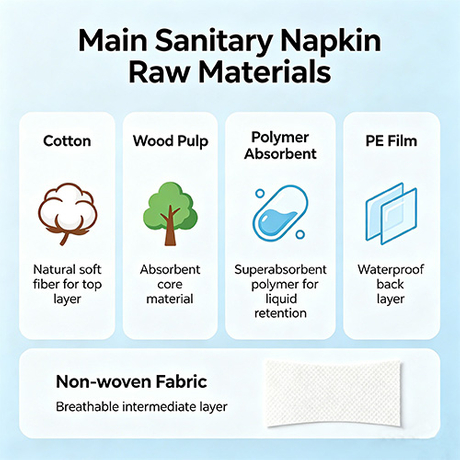
The surface layer is usually made of hydrophilic nonwoven fabric (polypropylene fiber). It is soft, breathable, and allows liquid to pass through quickly while keeping the surface dry.
6.2 Absorbent Core Layer
The core is the most important functional part, typically composed of:
Fluff pulp: Quickly absorbs and distributes liquid evenly
Super Absorbent Polymer (SAP): Absorbs 30--100 times its weight and locks liquid in gel form to prevent leakage
6.3 Backing Layer
The backing is generally made of PE waterproof film or breathable PE film, providing reliable leak-proof protection.
6.4 Adhesive & Structural Layers
Eco-friendly hot-melt adhesives are used to bond layers together, ensuring stability during use.
The quality of these raw materials directly determines the overall performance, safety, and user experience of the final underpad product.
7. Common Uses of Disposable Underpads
Disposable underpads are highly versatile and used across many scenarios.
7.1 Medical & Healthcare
Hospital postoperative care and patient nursing
Absorbing wound exudate and body fluids
Protecting beds for incontinent patients
Assisting with patient transfer and clinical operations
7.2 Home Care
Daily care for the elderly and people with limited mobility
Baby diaper changing and overnight protection
Postpartum care for women
Preventing stains from vomiting, menstrual care, and household spills
7.3 Pet Care
Puppy toilet training
Protecting pet beds, sofas, and carpets
Keeping pet areas clean and hygienic
7.4 Travel & Daily Life
Portable hygiene protection during travel and camping
Emergency use for liquid spills
Temporary protection for furniture and car seats
8. Benefits of Using Disposable Underpads
8.1 Improve Hygiene & Health
By keeping skin dry and clean, underpads reduce the risk of infections, rashes, and pressure sores caused by long-term dampness.
8.2 Save Time & Labor
Disposable design eliminates washing and drying, greatly reducing the workload for caregivers and families.
8.3 Strong Convenience
Lightweight and easy to store, underpads adapt well to home, hospital, travel, and emergency use.
8.4 Wide Applicability
Suitable for all age groups, including infants, adults, the elderly, patients, and even pets.
8.5 Reduce Cross-Contamination
Single-use design helps lower the risk of bacterial transmission, especially in medical environments.
9. How to Choose the Right Disposable Underpads
When selecting disposable underpads, you may consider the following factors:
9.1 Absorbency Level
Choose light or medium absorbency for daily use; heavy or ultra-heavy for overnight and medical needs.
9.2 Size
Select dimensions based on bed size, usage area, and user body type.
9.3 Material Safety
Prefer soft, non-irritating, certified materials, especially for sensitive skin.
9.4 Breathability
Good breathability improves comfort during long-term use.
9.5 Brand & Sanitation Standards
Reliable brands often have stricter quality control and safer production processes.
10. Common Misunderstandings in Using Disposable Underpads
To help users avoid misuse, here are several common misunderstandings.
Myth 1: Higher absorbency = always better
Overly thick, high-absorbency pads may reduce breathability for light-use scenarios. Match absorbency to actual needs.
Myth 2: All underpads are basically the same
Materials, craftsmanship, and safety standards vary significantly. Medical-grade products have stricter requirements.
Myth 3: Using multiple layers improves effectiveness
Stacking pads may slow down liquid penetration and increase side leakage.
Myth 4: Disposable underpads can be reused
Even if they appear dry, internal bacteria may multiply. Reuse harms hygiene and performance.
11. Environmental & Sustainable Development Trends
With growing global attention to environmental protection, the disposable hygiene industry is moving toward greener solutions.
Some manufacturers use biodegradable nonwovens and eco-friendly films
Water-based adhesives and non-toxic production processes are becoming more popular
Reduced packaging helps lower carbon emissions
Production waste recycling systems are gradually adopted in mature supply chains
While most underpads remain single-use, the industry continues to explore more sustainable alternatives without compromising safety and performance.
12. Frequently Asked Questions (FAQ)
Q1: How often should disposable underpads be changed?
A: Generally every 4--6 hours, or immediately when wet, heavily soiled, or uncomfortable. Frequent changes help maintain skin health.
Q2: Can disposable underpads cause skin allergies?
A: High-quality products use skin-friendly, non-irritating materials. Allergies are rare but may occur for extremely sensitive skin.
Q3: Are underpads only for elderly or patients?
A: No. They are also widely used for babies, pets, postpartum care, travel, and household protection.
Q4: Can underpads be used on sofas and chairs?
A: Yes. They effectively protect furniture from liquids, stains, and dirt.
Q5: Are breathable underpads less waterproof?
A: No. High-quality breathable back films allow air exchange while blocking liquids, achieving both comfort and leak-proof performance.
13. A Brief Note on Material Supply
High-quality disposable underpads rely on safe, stable, and high-performance raw materials. As a professional supplier in the hygiene product material industry, Lonsun supports the production of reliable care products through stable material supply solutions.
14. Conclusion
Disposable underpads are simple yet essential care products that greatly improve hygiene, comfort, and convenience in medical care, home nursing, and daily life. Understanding their features, materials, types, and proper usage helps users make better choices and improve quality of life.
With continuous industrial development and rising global health demands, disposable underpads will remain an important part of healthcare and home care systems for many years.