Home
Home | About Us | Advantages | Blogs | Contact Us


- All
- Product Name
- Product Keyword
- Product Model
- Product Summary
- Product Description
- Multi Field Search
Views: 0 Author: Site Editor Publish Time: 2026-01-02 Origin: Site


Sanitary towels are a vital part of daily hygiene, yet many people don't know what they're made of. Have you ever wondered about the materials inside your sanitary towels? Understanding Sanitary Towels Raw Materials can help you make informed choices for both your health and the environment.
In this article, we will explore the raw materials that make up sanitary towels, including common and sustainable options. You'll learn how these materials affect comfort, absorbency, and environmental impact.
Sanitary towels are composed of several distinct layers, each designed for a specific function to ensure comfort, absorbency, and leak prevention. Understanding the raw materials used in these layers is key to making informed choices about menstrual products.
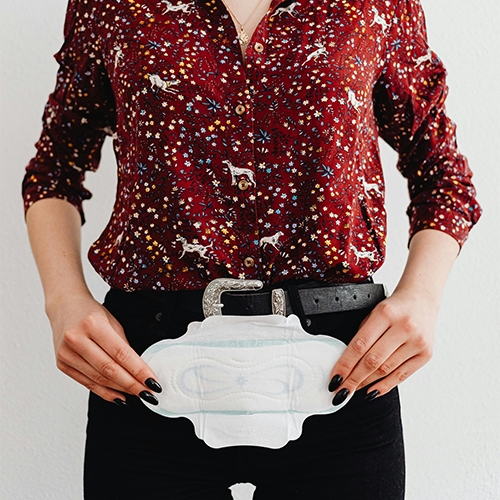
The topsheet is the first layer of the sanitary towel, coming into direct contact with the skin. It serves two main functions: providing a comfortable and soft surface while ensuring that menstrual fluid quickly passes through it to the absorbent core.
● Nonwoven fabric: Most commonly made from polypropylene or polyethylene, this fabric is hydrophobic, which helps in quickly wicking away moisture.
● Organic cotton: This natural fiber is soft, breathable, and ideal for sensitive skin. It's free from harmful pesticides, making it a safer choice for personal hygiene.
● Bamboo fiber: Known for its antibacterial properties and superior absorbency, bamboo fiber is a sustainable alternative that is both eco-friendly and effective at managing moisture.
The topsheet's function is simple but vital: to keep the surface dry and comfortable by drawing fluid away from the skin while still being soft and gentle. Many eco-conscious consumers now prefer natural fibers like organic cotton or bamboo for their skin-friendly and sustainable benefits.
Tip: When choosing sanitary towels, consider the material of the topsheet to ensure comfort, especially if you have sensitive skin.
The absorbent core is the core component responsible for soaking up and locking away menstrual fluid. It is the thickest layer of the sanitary towel and plays a crucial role in preventing leaks.
● Wood pulp: Processed cellulose fiber from softwood trees, it forms a fluffy, absorbent material.
● Superabsorbent polymers (SAP): These materials absorb large amounts of fluid and lock it in, transforming it into a gel to prevent rewetting.
● Bamboo fiber: A more eco-friendly alternative to wood pulp, bamboo provides excellent absorbency and is biodegradable.
● Banana fiber: This alternative offers a natural, renewable source with great absorbent qualities.
The absorbent core traps menstrual fluid, keeping you dry and comfortable. SAPs are particularly effective at absorbing fluid and reducing bulk, which helps maintain the pad's thin profile without sacrificing performance.
Tip: If you are looking for higher absorbency, consider products that use superabsorbent polymers (SAP) as they are more effective at fluid retention.
The backsheet serves a critical role: it prevents any leakage and ensures the pad stays securely in place. This layer faces the underwear, and it must be both leak-proof and breathable to maintain comfort.
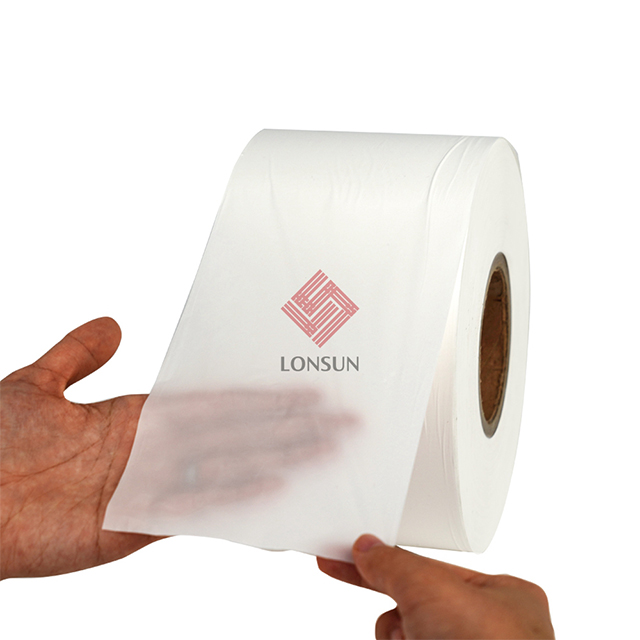
● Polyethylene film: This material provides a waterproof barrier to prevent leakage but is not breathable.
● Breathable films: Newer technologies use microporous films that allow air to circulate while still preventing liquid from passing through.
● Biodegradable polymers: Plant-based films that are not only leakproof but also eco-friendly.
● Plant-based films: Derived from renewable resources, these films decompose more easily than traditional plastics.
The backsheet ensures that fluid is contained within the pad, preventing leakage onto clothing. Modern breathable backsheets improve comfort by allowing moisture vapor to escape while maintaining leak prevention.
Wings are flaps of material that extend from the sides of the pad and fold around the edges of the underwear. They provide additional security, preventing the pad from shifting during movement.
● Nonwoven fabric: Used for the wings to maintain flexibility and comfort.
● Adhesive: Keeps the wings in place and ensures the pad stays securely attached to the underwear.
● Biodegradable adhesives: These adhesives are designed to be effective without leaving harmful residues.
● Compostable nonwovens: Materials that break down more naturally, contributing to the reduction of waste.
Wings prevent the pad from bunching up or shifting, ensuring a secure fit and preventing leaks along the sides. They are especially useful for overnight pads or heavy flow days.
Adhesive is used to secure the various layers of the sanitary towel and to keep the pad in place throughout the day. It’s essential for maintaining the pad’s structure and ensuring it doesn’t move out of position.
● Pressure-sensitive adhesives (PSA): These adhesives allow the pad to stick to the underwear securely.
● Bio-based adhesives: Made from renewable resources, these adhesives are environmentally friendly and perform similarly to traditional ones.
● Water-activated adhesives: A new innovation that uses water to activate the adhesive, providing a safer and more sustainable option.
Adhesive ensures that the pad stays attached to the underwear and maintains its shape throughout wear. It’s crucial for preventing discomfort and ensuring the pad functions as intended.
Layer | Common Materials | Sustainable Alternatives | Benefits |
Topsheet | Polypropylene, Polyethylene | Organic Cotton, Bamboo Fiber | Soft, breathable, hypoallergenic, eco-friendly |
Absorbent Core | Wood Pulp, Superabsorbent Polymers (SAP) | Bamboo Fiber, Banana Fiber | High absorbency, biodegradable, eco-friendly |
Backsheet | Polyethylene Film | Biodegradable Polymers, Plant-based Films | Leak-proof, breathable, environmentally friendly |
Wings | Nonwoven Fabric, Adhesive | Biodegradable Adhesives, Compostable Nonwovens | Secure fit, reduced waste |
Adhesive | Pressure-sensitive Adhesives (PSA) | Bio-based Adhesives, Water-activated Adhesives | Skin-safe, eco-friendly, secure attachment |
As awareness grows about environmental issues and personal health, more consumers are seeking eco-friendly alternatives in their menstrual products. Let’s explore the sustainable materials that are shaping the future of sanitary towels.
Organic cotton has emerged as a popular choice for those looking to avoid the chemicals and pesticides often found in conventional cotton. It is soft, breathable, and hypoallergenic, making it ideal for sensitive skin.
● Soft and breathable: Provides comfort while reducing the risk of irritation.
● Hypoallergenic: Gentle on sensitive skin and less likely to cause allergies.
● Biodegradable: Completely breaks down, reducing landfill waste.
Bamboo fiber is becoming a go-to material for eco-conscious consumers due to its fast growth, low water usage, and natural antibacterial properties. It is highly absorbent and biodegradable, making it a great alternative to traditional synthetic fibers.
● Highly absorbent: Excellent at managing menstrual fluid.
● Antibacterial: Reduces the risk of bacterial growth and odors.
● Biodegradable: Breaks down naturally, unlike synthetic materials.
Traditional plastics can take hundreds of years to decompose, contributing to significant environmental waste. Biodegradable polymers offer an alternative that breaks down more easily in the environment.
● Reduces plastic waste: Helps combat the growing issue of plastic pollution.
● Environmentally friendly: A more sustainable option that supports circular economies.
● Supports sustainability: Contributes to reducing the environmental footprint of menstrual products.
Bio-based SAPs are an emerging alternative to traditional, petroleum-based SAPs. These materials are derived from renewable sources and provide the same high absorbency as synthetic polymers, without the environmental cost.
● Enhanced absorbency: Provides superior fluid retention while reducing bulk.
● Reduces environmental impact: Made from sustainable sources, these SAPs are more eco-friendly.
● Bio-based alternatives: Helps reduce dependence on petroleum-based products.
The sanitary towel industry is constantly evolving. As consumers become more aware of the environmental and health impacts of their choices, manufacturers are innovating to meet demand for eco-friendly, sustainable products.
Reusable products, such as period underwear and menstrual cups, are gaining popularity as consumers seek to reduce waste. These products are often made from sustainable materials and can be used for multiple cycles, providing a long-term solution to menstrual care.
● Period underwear: Designed to absorb menstrual fluid, these garments can be worn throughout the day and washed for reuse.
● Menstrual cups: Flexible cups inserted into the vagina to collect menstrual fluid, providing an eco-friendly and reusable alternative to disposable pads.
Research is underway to develop bio-based materials for every layer of the sanitary towel, including adhesives and packaging. These innovations aim to create a more sustainable product lifecycle from start to finish.
● Biodegradable materials: Research into fully biodegradable alternatives to current plastic components is a priority.
● Eco-friendly packaging: Developing sustainable packaging solutions to complement the product itself.
Sanitary towels are made from various materials that impact comfort, absorbency, and performance. Consumers should consider both health and environmental factors when selecting sanitary products. Eco-friendly alternatives, such as organic cotton and bamboo fiber, offer significant benefits. Lonsun Corporation provides high-quality sanitary towels that prioritize both comfort and sustainability, offering a valuable solution for eco-conscious consumers.
A: The main materials include nonwoven fabrics, organic cotton, bamboo fiber, wood pulp, and superabsorbent polymers (SAP). These materials ensure comfort, absorbency, and leak prevention.
A: Understanding the raw materials helps consumers make informed choices, considering factors like comfort, skin sensitivity, and environmental impact.
A: Yes, sustainable alternatives include organic cotton, bamboo fiber, and biodegradable polymers. These materials offer environmental benefits without compromising performance.
A: The materials used in sanitary towels influence their absorbency, comfort, and leak protection. Superabsorbent polymers (SAP) and soft fabrics enhance performance.
A: Yes, eco-friendly materials like organic cotton or bamboo can increase production costs, but they offer better environmental benefits and can be worth the investment.


