Home
Home | About Us | Advantages | Blogs | Contact Us


- All
- Product Name
- Product Keyword
- Product Model
- Product Summary
- Product Description
- Multi Field Search
Views: 0 Author: Site Editor Publish Time: 2026-03-25 Origin: Site


Sourcing high-quality raw materials is essential for producing diapers that meet both performance standards and cost efficiency. As global demand for disposable diapers continues to grow, manufacturers are increasingly focused on optimizing their sourcing processes. China, with its extensive network of suppliers and cost-effective manufacturing capabilities, stands out as a primary source for diaper raw materials. Whether you're a startup establishing your supply chain or a large manufacturer aiming to reduce production costs, understanding how to balance quality and cost when sourcing diaper materials in China is crucial for success. This article will guide you through sourcing diaper raw materials, discussing key materials, factors affecting costs, and the advantages of working with a one-stop diaper material supplier in China.
When sourcing raw materials for diaper manufacturing, it’s important to understand the core components involved in production. Diapers consist of several layers, each with a specific function, made from different materials. The most significant raw materials in diaper production include absorbent core materials, topsheet and backsheet fabrics, and fastening components.
The absorbent core is the heart of a diaper’s functionality, responsible for retaining fluids and keeping the skin dry. The primary materials used in the absorbent core are:
· Super Absorbent Polymer (SAP): The most commonly used absorbent material, SAP is highly absorbent and can retain large amounts of liquid relative to its weight.
· Fluff Pulp: Made from wood fibers, fluff pulp is used to provide structure and enhance SAP’s fluid absorption capabilities.
· Nonwoven Fabrics: Hydrophilic spunbond and hot air cotton nonwoven fabrics are commonly used for the topsheet and backsheet. They provide breathability, comfort, and durability.
· PE Film: Non-breathable PE film is used as a backsheet material, offering a waterproof barrier to prevent leaks.
To ensure the diaper stays securely in place, materials like elastic threads, tapes, and adhesives are used for fastening. These materials are critical for both performance and comfort.
Sourcing diaper raw materials involves several factors that affect both quality and cost. Balancing these factors is essential for maintaining competitive pricing while ensuring high-quality production.
When sourcing raw materials from China, manufacturers must balance material quality and cost-effectiveness. High-quality materials, such as premium SAP or advanced nonwoven fabrics, often come with higher costs but offer better performance, including enhanced absorbency and softness. Conversely, lower-quality materials reduce costs but may compromise the overall effectiveness or comfort of the diaper.
Factor | High-Quality Materials | Lower-Quality Materials |
Performance | Superior absorbency, comfort, durability | May lead to leaks, discomfort |
Cost per Unit | Higher | Lower |
Market Positioning | Premium, high-end diapers | Economy brands |
The volume of your order significantly influences material costs. Bulk sourcing typically offers lower prices per unit due to economies of scale, while smaller orders usually come with higher per-unit prices. Manufacturers must consider production scale when deciding on order volumes.
Order Size | Price per Unit | Minimum Order Quantity | Typical Lead Time |
Bulk Orders | Lower | 1-10 containers | 4-6 weeks |
Small Orders | Higher | 1000+ diapers worth | 2-4 weeks |
Shipping costs, import duties, and tariffs all contribute to the total cost of raw materials. Bulk shipping can reduce per-unit shipping costs, but import duties may increase depending on the destination country.
Shipping Mode | Cost | Delivery Time | Impact on Price |
Air Freight | High | 1-2 weeks | Adds to cost |
Sea Freight | Moderate | 4-6 weeks | Reduces cost |
Selecting the right supplier is essential for maintaining consistent quality and competitive pricing. Here are key factors to consider when choosing a supplier:
Partnering with a reputable supplier is crucial to ensure that you receive high-quality materials on time. A solid reputation is an indicator of a supplier’s ability to consistently deliver what they promise. Ensure they can meet delivery deadlines and hold relevant certifications, such as ISO or other industry-specific quality control audits. This helps build trust and guarantees the reliability of the supply chain.
Negotiating favorable terms is vital for ensuring a successful partnership. Discuss payment terms, delivery schedules, and potential discounts for bulk orders. Consider negotiating payment flexibility, such as extended credit terms, to ease cash flow management. Before committing to large orders, always request product samples to confirm that the materials meet your quality standards and expectations.
Maintaining high-quality standards is crucial, and working with a third-party inspection service or setting up an in-house inspection system is recommended. Regular quality checks ensure that materials meet your specifications and are free from defects before shipment. Implementing consistent inspections helps prevent issues like defective materials that could disrupt production or harm the final product quality.
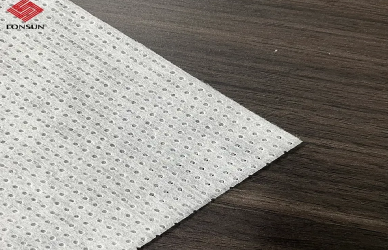
Opting for a one-stop diaper material sourcing solution streamlines the entire process by consolidating all raw materials under one supplier. This significantly reduces logistics and administrative costs, eliminating the need to coordinate with multiple vendors. A simplified supply chain enables you to focus on production rather than managing several sources for different materials, ensuring smoother operations.
A one-stop sourcing solution offers substantial cost savings through bulk purchasing, reduced shipping expenses, and better pricing terms. By consolidating orders with a single supplier, you can negotiate more favorable terms, achieve volume discounts, and lower the total cost of raw materials. This helps improve your profit margins and maintain a competitive edge in the market.
One-stop suppliers provide customized solutions to meet your specific production needs, such as unique nonwoven fabric types or SAP formulations tailored to your product. This ensures that the final diaper product meets both your quality standards and design specifications. Additionally, working with a single supplier can lead to more flexibility in adapting to production changes or innovations, ensuring consistency and satisfaction with each batch.
Balancing quality and cost is essential to maximize profitability while meeting customer expectations. High-quality materials, such as advanced SAP and premium nonwoven fabrics, come at a higher cost but deliver superior performance, ensuring better absorbency, comfort, and durability. On the other hand, cost-effective options like moderate-quality nonwoven fabric and fluff pulp can help reduce production costs while still maintaining acceptable quality levels, making them ideal for more budget-conscious brands.
Factor | High-Quality Materials | Cost-Effective Materials |
Cost per Unit | Higher | Lower |
Absorbency & Comfort | Superior | Moderate |
Durability & Strength | High | Moderate to Low |
To maintain a balance between quality and cost, select suppliers based on:
· Material specifications that align with your technical requirements.
· A solid reputation for consistent, reliable quality.
· Price negotiation to secure the best cost without compromising on material quality.
· Supplier reliability and their ability to meet production deadlines.
Building long-term relationships with suppliers helps ensure better cost control and more consistent quality over time. Suppliers who value strong partnerships may offer discounts, favorable terms, or faster delivery, which can provide you with a competitive edge in the diaper market, as well as improve overall operational efficiency. These relationships also foster trust, which leads to better communication and a smoother supply chain process.
China offers competitive pricing, a wide range of suppliers, and reliable manufacturing capabilities, making it a preferred choice for sourcing diaper raw materials. The vast manufacturing infrastructure and established supply chains allow businesses to scale their production efficiently while benefiting from lower costs compared to other regions.
Factory audits, product samples, and third-party inspection services can help ensure materials meet your quality standards. Additionally, working with suppliers who hold relevant certifications (such as ISO) and conducting regular quality control checks during production can further guarantee consistency and performance.
Bulk sourcing typically offers lower prices per unit, but small orders may be better for testing new suppliers or materials. If you are looking to evaluate a new material or supplier, smaller orders allow you to assess the quality and performance before committing to a larger purchase.
Consider shipping fees, import duties, tariffs, and potential delays when calculating the total cost of sourcing. Additionally, costs related to quality inspections, packaging, and customs clearance should be factored in, as they can impact the final price and delivery time.
Sourcing diaper raw materials from China provides an opportunity to reduce production costs while maintaining high quality. By understanding key materials, evaluating cost factors, and working with a trusted one-stop supplier, manufacturers can successfully navigate the complexities of sourcing. Using a one-stop solution streamlines the process, reduces costs, and enhances efficiency, ensuring that the final product meets both performance and safety standards. By balancing quality and cost effectively, manufacturers can produce diapers that satisfy both consumer expectations and budget constraints.


