For parents of newborns, a persistent red rash is more than just a nuisance—it is a signal. Newborn skin is remarkably different from adult skin: the epidermis is up to 30% thinner, the stratum corneum (the outermost protective layer) is less compact, and the skin surface pH is nearly neutral at birth (ranging from 6.34 to 7.5) rather than the mildly acidic pH of 5.0–5.5 seen in adults[1]. When that delicate skin reacts to a diaper, it often stems from prolonged exposure to moisture, friction, and chemical irritants. Choosing the right hypoallergenic diaper is not just about comfort; it is about protecting your baby's largest organ during a critical window of barrier maturation.
This guide dives into the science of materials and safety, helping you navigate the often confusing world of diaper ingredients. By understanding what touches your baby, you can turn diaper changes from a source of stress into a moment of informed care.
The Anatomy of Sensitivity: Why Standard Diapers Can Irritate

Your baby's skin barrier is still maturing. The acid mantle—the thin, acidic film on the skin surface that helps regulate enzyme activity, ceramide production, and microbial balance—takes approximately one month to approach adult-like acidity levels[1]. During this period, the skin is more permeable to irritants and more susceptible to moisture-related damage.
When a standard diaper holds moisture against this developing barrier, three mechanisms drive irritation:
- Maceration: Prolonged moisture exposure causes the stratum corneum to soften and swell, compromising its structural integrity[2].
- Friction: A weakened skin surface is more vulnerable to mechanical damage from diaper movement.
- Chemical irritation: Urine and stool interact under the warm, occlusive diaper environment. Bacterial urease converts urea to ammonia, raising the local pH and activating fecal enzymes (proteases and lipases) that degrade skin proteins and lipids[3].
Many conventional diapers contain additives that can exacerbate these issues for sensitive infants:
- Chlorine bleaching: While modern diapers increasingly use elemental chlorine-free (ECF) or totally chlorine-free (TCF) processes, some products still rely on traditional chlorine bleaching, which can produce trace dioxin byproducts. Look for ECF or TCF labeling if this is a concern.
- Artificial fragrances: These are consistently flagged by dermatologists and organizations like the Environmental Working Group as common triggers for contact dermatitis[4]. The term "fragrance" on a label can represent an undisclosed mixture of dozens of chemical compounds.
- Plasticizers and additives: Certain elastic components or printed surfaces may contain phthalates or other additives. While direct exposure is minimal, parents of infants with severe sensitivities may prefer products with explicit phthalate-free claims.
A well-designed hypoallergenic diaper addresses these concerns by minimizing unnecessary additives and prioritizing inert, skin-friendly materials. This approach does not guarantee zero reactions—every infant's skin is unique—but it removes the most common irritants from the equation, giving the skin barrier the best chance to develop normally.
The Power of Plant-Based and Natural Materials

The shift toward plant-derived materials represents one of the most significant advancements in modern diaper technology. Traditional diapers rely heavily on petroleum-based synthetic plastics for outer layers and back sheets. While these materials can be engineered to perform well, their breathability depends heavily on structural design rather than the base material itself.
Plant-based alternatives offer distinct properties that can benefit sensitive skin:
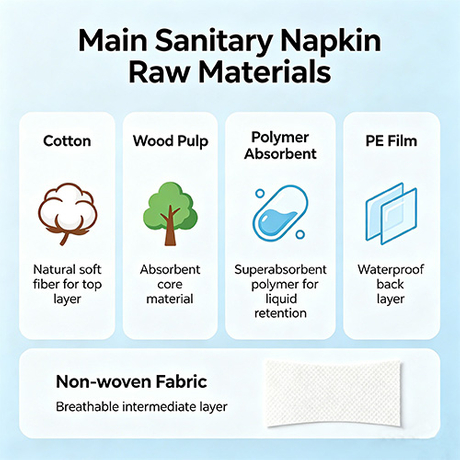
- Bamboo-derived viscose: Marketed for its softness and moisture-wicking properties, bamboo cellulose is typically processed into rayon fibers (viscose) through a chemical-intensive method involving carbon disulfide (CS₂) and sodium hydroxide[5]. While the finished fabric can feel soft, parents should be aware that "bamboo" in diapers almost always refers to regenerated cellulose, not raw bamboo fiber. OEKO-TEX or GOTS certification is essential to verify that residual processing chemicals remain within safe limits[5].
- Sugarcane-based polyethylene (PE): Some brands use bio-based PE for outer layers. While chemically identical to conventional PE, the raw material is renewable. The skin benefit comes not from the sugarcane origin itself, but from how the overall diaper structure is engineered for airflow.
- Sustainably sourced wood pulp: Used in absorbent cores, wood pulp from certified responsibly managed forests (FSC-certified) provides a renewable alternative to synthetic absorbent materials when paired with effective superabsorbent polymers.
Key Takeaway: Plant-based does not automatically mean "better for skin." The critical factor is how the material is integrated into the overall diaper architecture. A well-engineered synthetic diaper with a breathable microporous outer film may outperform a poorly designed plant-based alternative. When evaluating claims, look for specific performance data rather than relying solely on the "natural" label.
Organic Cotton vs. Conventional Blends for Delicate Skin
Organic cotton frequently appears in discussions about the gold standard for baby products. It is grown without synthetic pesticides or fertilizers, and the processing typically avoids harsh chemical treatments.
For diaper applications, organic cotton offers several tangible benefits:
- Superior breathability: Cotton fibers naturally allow air circulation, which helps regulate temperature and humidity at the skin surface. This is particularly relevant for overnight use, when a diaper may remain in place for 8–12 hours.
- Reduced chemical residues: While conventional cotton processing removes the vast majority of agricultural residues, organic certification ensures that no synthetic pesticides were used at any stage of cultivation. For infants with eczema or documented severe sensitivities, this added assurance may be clinically relevant.
- Softness: The natural fiber structure of unbleached or minimally processed cotton can feel softer against compromised skin than heavily processed synthetic alternatives.
However, organic cotton is not without limitations. It absorbs moisture but does not wick it away as effectively as some synthetic fibers, meaning it can feel wet against the skin if not paired with a fast-wicking top layer or adequate absorbent core. The ideal diaper often combines organic cotton in the liner with advanced absorbent technology beneath it.
When you invest in a hypoallergenic diaper featuring organic cotton, you are paying for material integrity and supply chain transparency. For overnight use or for infants with documented skin conditions, this investment can be clinically justified.
The Necessity of Fragrance-Free and Lotion-Free Formulas
One of the most evidence-based recommendations for infant skincare is to avoid added fragrance. Under regulatory frameworks in many regions, the term "fragrance" functions as a trade-secret umbrella that can conceal dozens of individual chemical compounds. Some of these are known sensitizers; others have not been adequately tested for infant skin exposure[4].
A fragrance-free diaper is the safest default choice for any infant. The rationale extends beyond immediate allergic reactions:
- Chemical sensitization: Even without an immediate visible reaction, repeated low-level exposure to fragrance compounds can prime the immune system for future allergic responses. Infant skin, with its higher permeability and developing immune surveillance, may be particularly vulnerable to this process[4].
- Respiratory considerations: Newborns breathe predominantly through their noses, and volatile compounds from fragranced products are inhaled during the many hours of close contact.
- Masking vs. management: A fragrance-free diaper relies on physical absorbency and moisture management to control odor, rather than chemical masking. This is a more functionally honest approach.
Similarly, diapers with added lotions or skin-conditioning agents—while marketed as beneficial—introduce unnecessary variables. If your baby needs skin protection, a separately applied, pediatrician-recommended barrier cream (such as zinc oxide or petrolatum-based formulations) allows you to control exactly what goes on the skin and in what quantity.
If a product labels itself as hypoallergenic, it should—by any reasonable definition—be fragrance-free and lotion-free. Check for explicit "no fragrances added" or "unscented" labeling. For many families, this single change has resolved recurring rashes within days.
Breathable Outer Layers: Preventing the "Swamp Effect"
One of the most underrated features of a high-quality hypoallergenic diaper is the breathability of its outer layer. If the skin is trapped against an impermeable plastic backing, moisture and heat accumulate. This occlusive environment promotes bacterial and yeast overgrowth and accelerates skin maceration.
Breathable outer layer technology—whether achieved through microporous plastic films or engineered nonwoven structures—allows water vapor to escape while containing liquid within the core. This is not about the material being "natural" or "synthetic"; it is about the physical structure permitting vapor transmission.
Key advantages of breathable construction:
- Temperature regulation: Permitting heat dissipation keeps the skin surface cooler, reducing the metabolic stress on skin cells.
- Moisture management: Water vapor escape reduces the humidity gradient between the skin and the diaper interior, leaving the surface feeling drier.
- Reduced friction: Drier skin surfaces experience less adhesive friction against the diaper material.
For active toddlers who generate more body heat through movement, or for infants in warm climates, a breathable diaper architecture is particularly valuable. When evaluating products, look for terms like "breathable outer cover" or "microporous film" rather than focusing solely on material origin.
Overnight Protection and Skin Integrity
The most challenging period for diaper-area skin health is during sleep. An overnight diaper is typically worn for 8 to 12 hours, meaning the skin is exposed to waste products for an extended, uninterrupted stretch. A hypoallergenic diaper designed for overnight use must balance high fluid capacity with material purity and structural integrity.
To manage overnight needs safely:
- Evaluate absorbent core design: Super Absorbent Polymer (SAP) is the industry standard for locking away fluid. The key is not the SAP itself, but whether it is wrapped in layers that prevent gel leakage while maintaining breathability. SAP that contacts the skin directly can cause irritation.
- Inspect leg and waist cuffs: These should use soft, latex-free elastics that maintain containment without creating pressure marks or friction points.
- Prioritize rapid fluid acquisition: The faster urine is pulled from the skin surface into the core, the less time it spends compromising the stratum corneum. Look for diapers with a fast-wicking acquisition layer.
- Consider barrier cream application: For infants prone to overnight rashes, a thin layer of zinc oxide barrier cream before bed provides an additional protective interface.
"Overnight rash"—skin maceration caused by prolonged moisture exposure—can make the skin vulnerable to secondary bacterial or fungal infection. Prevention through material selection and, when necessary, barrier protection is far preferable to treatment after the fact.
Understanding Certifications: What Labels Actually Mean
The term "hypoallergenic" has no standardized regulatory definition in most markets. It is primarily a marketing claim rather than a certified standard. To make informed choices, parents should look for specific, verifiable certifications:
- OEKO-TEX Standard 100: A textile certification that tests for harmful substances. Class I is the strictest category, specifically for products intended for infants up to 36 months. It screens for over 1,000 regulated substances including heavy metals, formaldehyde, and certain phthalates[6].
- EWG Verified: Indicates that a product meets the Environmental Working Group's criteria for ingredient transparency and avoidance of chemicals of concern.
- Dermatest Certification: German dermatological testing that evaluates skin compatibility. A 5-star rating indicates very good skin tolerance after long-term contact testing.
- FSC Certification: For wood pulp components, this ensures the material comes from responsibly managed forests. While primarily an environmental credential, it also signals supply chain accountability.
No certification can guarantee zero reactions for every infant, but these third-party validations provide a layer of accountability beyond brand self-reporting.
Practical Guidance: Building a Diapering Routine

Material selection is only one component of healthy diaper-area skin. Evidence-based practice also includes:
- Frequent changes: The ABCDE approach to diaper dermatitis prevention emphasizes regular diaper changes—on average every 2–3 hours during the day—to minimize moisture exposure time[7].
- Gentle cleansing: Plain water or fragrance-free wipes are preferable to harsh soaps or fragranced cleansers. Over-cleansing can strip developing lipids from the skin surface[8].
- Diaper-free time: Whenever practical, allowing the skin to air-dry between changes supports barrier recovery.
- Barrier cream application: For infants with recurrent rashes, a thin layer of zinc oxide or petrolatum-based cream at each change creates a protective interface. Studies have shown this can reduce diaper dermatitis incidence from baseline rates of 50% or higher to approximately 2%[8].
- Monitoring: Early recognition of redness or skin breakdown allows for prompt intervention before secondary infection develops.
Conclusion: An Evidence-Based Approach to Your Baby's Comfort
Protecting your baby's skin is a journey of informed choices. By understanding the physiological differences between infant and adult skin, recognizing the mechanisms behind diaper dermatitis, and evaluating diaper materials against verifiable standards rather than marketing claims, you remove much of the guesswork from your daily routine.
Focus on what the evidence supports: fragrance-free formulations, breathable construction, rapid fluid acquisition, and—when needed—third-party certifications. Whether you choose plant-based materials, organic cotton, or well-engineered conventional options, the priority should always be the integrity of the skin barrier and the comfort of your child.
You are not just selecting a product; you are creating the conditions for healthy skin development during one of the most vulnerable periods of your baby's life.
Frequently Asked Questions (FAQ)
A true allergic reaction to diaper materials typically presents as a bright red, well-demarcated rash in areas of direct contact—the waistband, thighs, and convex surfaces of the diaper area. It may be accompanied by small bumps or vesicles. Irritant diaper dermatitis, which is far more common, tends to spare the deep skin folds (where the diaper does not directly contact the skin). If you suspect an allergic reaction, switch to a fragrance-free, dye-free product and consult your pediatrician. Patch testing may be necessary to identify the specific trigger.
Modern absorbent technology is not inherently tied to petroleum-based materials. The absorbency of a diaper depends on the engineering of its core—specifically the combination of fluff pulp and superabsorbent polymer (SAP)—and the design of its acquisition and distribution layers. Plant-based diapers can achieve comparable absorbency when these structural elements are well-designed. However, absorbency varies significantly by brand and product line. Look for independent absorbency testing data rather than relying on material claims alone.
No. "Hypoallergenic" is not a regulated medical or legal term in most jurisdictions. It generally means the manufacturer has attempted to exclude common allergens, but there is no universal standard for what must be excluded or tested. Furthermore, diaper dermatitis is most commonly caused by irritant mechanisms (moisture, friction, pH changes) rather than true allergic reactions. A hypoallergenic diaper reduces the risk of allergic contact dermatitis but does not eliminate the risk of irritant dermatitis. The most effective prevention remains frequent changes, gentle cleansing, and appropriate barrier protection.
For infants with normal skin, a barrier cream at each change is a reasonable preventive strategy, particularly overnight. For infants with recurrent rashes, daily application is evidence-based. However, if your baby's skin is consistently healthy and you are using a high-quality, breathable diaper with frequent changes, you may not need cream at every single change. The key is consistency during high-risk periods—overnight, teething-related diarrhea, or antibiotic use.
Reputable certifications like OEKO-TEX and EWG Verified provide certificate numbers that can be verified through their official databases. Look for a QR code or certificate number on the packaging, and cross-check it on the certifying organization's website. Be cautious of vague claims like "tested for safety" without reference to a specific standard or third-party body.
References
- Kim, S., et al. (2024). Skin Barrier Function in Neonates and Infants. Annals of Dermatology, 36(6), 345-358. https://pmc.ncbi.nlm.nih.gov/articles/PMC11791375/
- Nikolovski, J., et al. (2008). Barrier function and water-holding and transport properties of infant stratum corneum are different from adult and continue to develop through the first year of life. Journal of Investigative Dermatology, 128(7), 1728-1736. doi: 10.1038/sj.jid.5701239
- Rippke, F., Schreiner, V., & Schwanitz, H.J. (2002). The acidic milieu of the horny layer: new findings on the physiology and pathophysiology of skin pH. American Journal of Clinical Dermatology, 3(4), 261-272. doi: 10.2165/00128071-200203040-00004
- Duckie App. (2026). Fragrance Allergies in Infants: Signs to Watch For. https://www.duckieapp.com/blog/fragrance-allergies-in-infants-signs-to-watch-for
- FiberCheck. (2026). Is Bamboo Fabric Safe? The Viscose Chemical Truth. https://fibercheck.app/blog/is-bamboo-fabric-safe
- OEKO-TEX Association. Standard 100 by OEKO-TEX: Testing for Harmful Substances. https://www.oeko-tex.com/en/our-standards/standard-100-by-oeko-tex
- Georgia Department of Public Health. (2023). Standard Nurse Protocols: Diaper Dermatitis. https://phdistrict2.org/wp-content/uploads/2023/03/2023-DPH-NURSE-PROTOCOL-MANUAL-3-2023-FINAL.pdf
- Bartels, N. (2014). Prevention of Diaper Dermatitis in Infants: A Literature Review. Pediatric Dermatology, 31(4), 413-429. https://scholarworks.waldenu.edu/cgi/viewcontent.cgi?article=4503&context=dissertations