


Many people dealing with urinary incontinence struggle with one important question: incontinence pads or pants --- which is better? Whether you are an adult managing mild leaks after pregnancy, an older adult with moderate to heavy incontinence, or a caregiver supporting a family member, choosing the right absorbent product directly affects comfort, confidence, skin health, and daily quality of life.
Incontinence is a common condition that affects millions of men and women worldwide. It is not a disease but a symptom that can result from aging, childbirth, surgery, prostate issues, reduced mobility, or daily physical activity. The good news is that modern incontinence products --- specifically incontinence pads and incontinence pants --- provide effective, discreet, and comfortable protection.
This complete, research-based guide compares incontinence pads vs pants in full detail. We cover absorbency, comfort, discretion, ease of use, skin safety, cost, and real-life scenario performance. By the end, you will have a clear, personalized answer to help you choose the best product for your needs.
What Are Incontinence Pads?

Incontinence pads are disposable, absorbent inserts designed to be worn inside regular underwear. They are different from menstrual pads because they are engineered to absorb urine quickly, lock in moisture, reduce odor, and keep skin dry.
Incontinence pads come in multiple sizes and absorbency levels:
- Light liners: For occasional drips and mild stress incontinence (coughing, laughing, lifting)
- Moderate pads: For frequent small leaks and daily activity
- Heavy pads: For larger but not constant urine loss
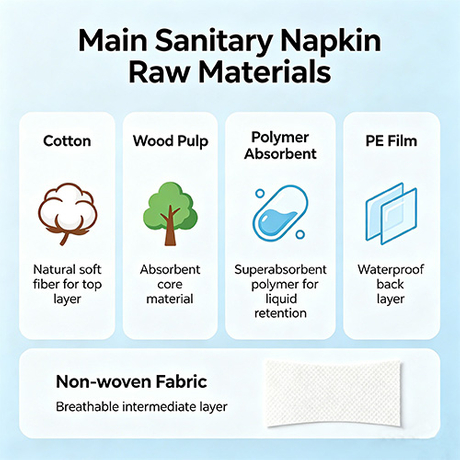
Most high-quality incontinence pads include a soft, skin-friendly top layer, a super-absorbent core, leak guards, and an adhesive strip to keep the pad securely in place. They are lightweight, portable, and easy to change discreetly.
What Are Incontinence Pants?

Incontinence pants --- also called absorbent underwear, pull-up pants, or protective underwear --- are all-in-one garments that combine underwear and full incontinence protection. They look and feel like soft, stretchy cotton underwear but feature a full-length absorbent core from front to back.
Unlike traditional adult diapers, incontinence pants pull on and off easily, making them suitable for independent users and people with limited mobility. They include elastic waistbands, leak-proof leg cuffs, and odor-control technology. Incontinence pants are widely used for moderate to heavy incontinence, overnight use, travel, and caregiving.
Quick Comparison Table: Incontinence Pads vs Pants
| Feature | Incontinence Pads | Incontinence Pants |
|---|---|---|
| Best For | Light to moderate incontinence | Moderate to heavy incontinence |
| Absorbency Level | Low to medium | Medium to high |
| Discretion | Extremely high | Good |
| Overnight Use | Not recommended | Excellent |
| Comfort | Very comfortable | Comfortable and stable |
| Ease of Change | Fast and portable | Simple but bulkier |
| Mobility Support | Good for active users | Better for low mobility |
| Skin Health | Safe if changed often | Gentle and breathable |
| Cost | Budget-friendly | Slightly higher |
| Caregiving Use | Requires more effort | Easier and faster |
In-Depth Comparison: Incontinence Pads vs Pants
1. Absorbency and Leak Protection
Absorbency is the most important factor when choosing between incontinence pads or pants.
Incontinence Pads
Designed for light to moderate urine loss. They absorb small, sudden leaks and lock away moisture to prevent wetness. However, they are not intended for large or continuous flow and may leak if saturated.
Incontinence Pants
Provide full-coverage, high-level absorbency. The absorbent core is larger and thicker, making them ideal for frequent leaks, larger volumes, and extended wear. Leak guards around the legs and waist provide extra security, making pants far more reliable for heavy incontinence.
2. Comfort and Fit
Comfort determines whether you can wear the product all day without irritation.
Incontinence Pads
Thin, flexible, and lightweight. Since you wear them with your own underwear, you can choose the level of softness you prefer. However, pads may shift, bunch, or move during physical activity.
Incontinence Pants
Offer a stable, snug fit that does not shift or bunch. Soft, stretchy materials reduce friction and discomfort, making them suitable for sensitive skin. Many users say pants feel more like regular underwear than medical products.
3. Discretion and Appearance
Many users prioritize discretion, especially in public, at work, or during social activities.
Incontinence Pads
The most discreet option. Slim liners and moderate pads are almost completely invisible under tight clothing, leggings, dresses, and formal wear.
Incontinence Pants
Discreet under loose clothing, jeans, and skirts but may show a slight outline under very tight or thin fabric. Modern designs are much slimmer than older styles, so discretion is still excellent for daily use.
4. Convenience and Ease of Use
Convenience matters for independent users and caregivers alike.
Incontinence Pads
Extremely easy to change. They are small and lightweight, so you can carry spares in a pocket or small bag. You only need to remove and replace the pad --- no need to change underwear.
Incontinence Pants
A hassle-free, all-in-one solution. You simply pull them on like normal underwear. They are ideal for people with arthritis, limited hand movement, or anyone who wants minimal effort. The only downside is that they take up more space in a bag.
5. Skin Health and Breathability
Prolonged moisture can cause rashes, redness, itching, or urinary tract irritation.
Incontinence Pads
Wick moisture away from skin, but you must change them every 3--4 hours to keep skin dry.
Incontinence Pants
Provide better airflow and full coverage to lock moisture deep inside the core. This reduces skin irritation and makes them safer for longer wear, especially overnight.
6. Cost Efficiency
For long-term use, cost is an important consideration.
Incontinence Pads
Cheaper per unit and budget-friendly for daily use.
Incontinence Pants
Cost slightly more but reduce the risk of ruining clothing, bedding, or furniture due to leaks. Many users find they save money over time.
Incontinence Pads vs Pants: Scenario-Based Comparison (Real-Life Use)
The best choice between incontinence pads or pants depends on your daily activities and environment. Below is a complete scenario breakdown to help you decide.
Which Is Better for Work and Office Life?
Which Is Better for Exercise and Physical Activity?
Which Is Better for Travel, Flights, and Long Journeys?
Which Is Better for Nighttime Use and Sleeping?
Which Is Better for Home Use and Relaxation?
Which Is Better for Post-Surgery Recovery?
Which Is Better for Caregiving for Elderly or Disabled Individuals?
Which Is Better for Formal Occasions (Weddings, Parties, Meetings)?
Who Should Choose Incontinence Pads?
Incontinence pads are the better choice if you:
- Have mild to moderate urinary incontinence
- Lead an active, busy lifestyle
- Want maximum discretion under clothing
- Prefer using your own comfortable underwear
- Need a low-cost, portable solution
- Can change products regularly throughout the day
- Need protection for light leaks during exercise, work, or social events
Who Should Choose Incontinence Pants?
Incontinence pants are the better choice if you:
- Have moderate to heavy incontinence
- Need reliable overnight protection
- Have limited mobility, balance issues, or dexterity problems
- Want an all-in-one, low-effort product
- Have sensitive skin that irritates easily
- Travel frequently or spend long hours away from home
- Are a caregiver looking for easier, faster changes
Using Both Incontinence Pads and Pants
Many people get the best results by combining both products for different times of the day:
Use thin incontinence pads during the day for work, activity, and discretion
Switch to incontinence pants at night for heavy leakage protection
Use pads for social events and pants for travel or care situations
This flexible method ensures you stay protected, comfortable, and confident in every situation.
How to Choose the Right Size and Product
No matter whether you choose pads or pants, fit is critical.
Always check the brand's size chart
Avoid products that are too tight or too loose
Test small packs before buying in bulk
Choose breathable, skin-safe materials
Change products every 4--6 hours to protect skin health
Conclusion: Incontinence Pads or Pants --- Which Is Better?
To give you a clear, direct answer:
Incontinence pads are better for light leakage, active lifestyles, discretion, and daily convenience. Incontinence pants are better for moderate to heavy incontinence, overnight use, travel, limited mobility, and caregiving.
There is no "one better" product --- only the one that fits your body, lifestyle, and personal needs. The right incontinence product will let you live freely, comfortably, and confidently without letting incontinence hold you back.
If you still feel unsure, start with a small pack of each. Testing both types is the easiest way to find your perfect match.



Which Is Better for Social Events, Shopping, and Errands?