Home
Home | About Us | Advantages | Blogs | Contact Us


- All
- Product Name
- Product Keyword
- Product Model
- Product Summary
- Product Description
- Multi Field Search
Views: 0 Author: Site Editor Publish Time: 2026-01-09 Origin: Site


Sanitary pads are an essential part of personal hygiene, but have you ever wondered how they stay so comfortable and dry? A key factor is the PE backsheet.
In this article, we will explore the significance of breathable PE backsheets and how they enhance comfort and skin health. You’ll learn about their unique properties and the technology behind them.
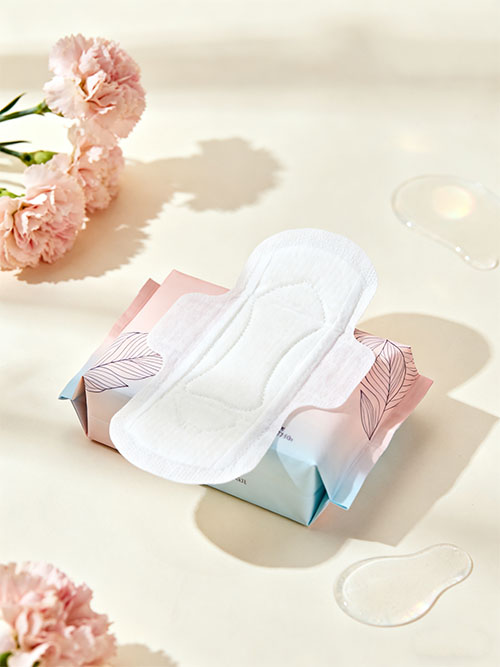
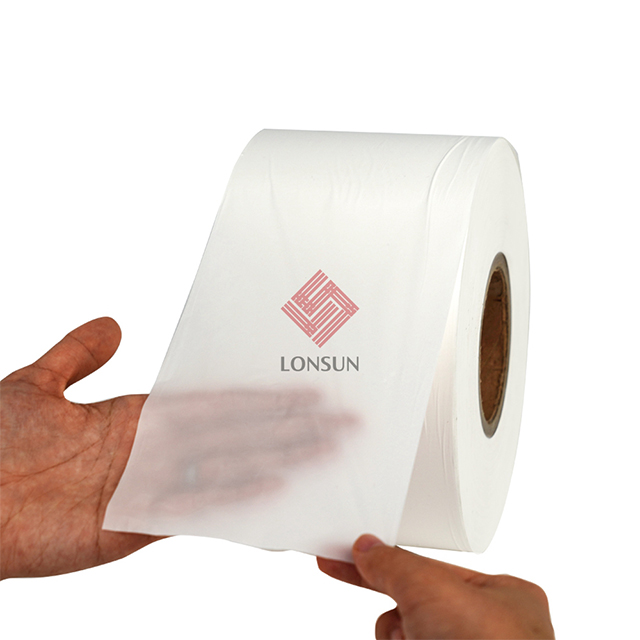
A breathable PE backsheet is a type of polymer film made from polyethylene (PE), designed to be permeable to air and water vapor but impermeable to liquids. This is achieved through the use of microporous structures in the film, allowing gases like oxygen and moisture to pass through while preventing liquids from seeping through. The key to its breathability lies in the size and distribution of these pores, which allow for vapor transmission but block liquid penetration.
Breathable PE backsheet is widely used in hygiene products such as diapers and sanitary pads, as it provides an optimal balance of comfort, skin health, and moisture control.
The difference between breathable and non-breathable PE backsheets primarily lies in their permeability.
● Breathable PE backsheet allows air and moisture vapor to pass through, reducing the build-up of heat and humidity. This helps in preventing rashes and skin irritation by keeping the skin dry and comfortable.
● Non-breathable PE backsheet, on the other hand, is designed to be impermeable to air and water. While it prevents leakage effectively, it does not allow moisture to escape, which can cause discomfort and skin issues over time.
In summary, the main advantage of a breathable PE backsheet is its ability to enhance skin comfort by allowing moisture to escape, unlike its non-breathable counterpart.
Feature | Breathable PE Backsheet | Non-Breathable PE Backsheet |
Breathability | Allows air and water vapor to pass through | Impermeable to air and water |
Moisture Build-Up | Reduces moisture build-up, keeps dry | Prone to moisture build-up, may cause discomfort |
Comfort | Increases comfort, reduces skin irritation | May cause skin issues over time |
Water Resistance | Water-resistant but breathable | Strong water resistance, not breathable |
Typical Applications | Premium sanitary pads, baby diapers | Budget-friendly sanitary pads, adult diapers |
One of the most important benefits of breathable PE backsheet in sanitary pads is its positive impact on skin health. Traditional sanitary pads with non-breathable backsheets can trap moisture, leading to increased irritation, rashes, and discomfort. In contrast, breathable PE films allow for better air circulation, reducing moisture accumulation and keeping the skin dry. This is especially important for people with sensitive skin.
By allowing air to circulate freely, breathable PE backsheet enhances comfort and helps prevent skin problems like rashes or chafing, offering users a more pleasant experience throughout the day.
Breathable PE backsheet does more than improve comfort; it plays a crucial role in enhancing pad performance. The ability to release moisture vapor helps to maintain the pad’s dryness, making it more effective in absorbing fluids. The breathability feature ensures that the pad does not feel overly damp, which could lead to discomfort or leakage.
Additionally, the breathable nature of the backsheet contributes to a better overall experience by preventing the pad from feeling hot or sticky, which can occur when moisture is trapped.
Breathable PE backsheet is often used in premium sanitary pads, where comfort and performance are prioritized. These pads are typically designed to offer superior moisture control, odor management, and skin health. By using breathable PE backsheet, manufacturers can create products that not only perform better but also feel more comfortable. This makes breathable PE backsheet a key feature in high-end products that appeal to consumers seeking a balance of quality and comfort.
The process of creating breathable PE backsheet involves advanced micropore technology or micro-perforation techniques. These methods involve creating microscopic pores in the PE film, which allow gases to pass through but prevent liquid penetration. The films can be produced in varying thicknesses to meet different application needs, depending on the desired breathability and durability.
Once the pores are formed, the film undergoes further treatments to enhance its strength, flexibility, and moisture resistance. These films are then tested for their water vapor transmission rate (WVTR) to ensure they meet the required standards for hygiene products like sanitary pads.
Controlling WVTR is critical in ensuring the right level of breathability. By adjusting the size, number, and distribution of pores, manufacturers can regulate the rate at which moisture vapor is transmitted through the film. This allows sanitary pad manufacturers to customize the breathability according to their specific product needs.
For instance, a higher WVTR is preferred for products that are meant for long-duration use, while a lower WVTR may be used in products designed for overnight use or for consumers with specific skin concerns.
While breathability is essential, durability is also a key factor for a PE backsheet to be effective in sanitary pads. Breathable PE backsheet films are designed to be strong enough to withstand the pressures of wear and tear during use, while still allowing for air and moisture transmission.
Additionally, these films need to offer water resistance to ensure the pad remains dry and prevents any leaks. Breathability and water resistance work together to offer superior protection and comfort, making breathable PE backsheet an excellent choice for high-performance hygiene products.
The primary advantage of breathable PE backsheet is its ability to enhance user comfort. By reducing the risk of skin irritation and providing a dry, breathable environment, users can feel more comfortable during use. The moisture control feature makes it especially suitable for people who are prone to sensitive skin or discomfort from conventional products.
Breathable PE backsheet films are not only beneficial for users but also for the environment. By reducing the need for excessive packaging and using materials that are more sustainable, manufacturers can create products that align with eco-friendly goals. Additionally, the use of breathable films helps reduce the carbon footprint of sanitary products, contributing to overall sustainability in the industry.
Leading manufacturers in the hygiene product sector are constantly innovating to enhance the quality and performance of their products. Breathable PE backsheet technology is a prime example of how innovation can improve the user experience. By continually refining the micropore technology, manufacturers can develop films that offer even better breathability, strength, and water resistance.
When choosing a breathable PE backsheet, it is important to select the appropriate breathability level based on the product’s design. Different products may require varying degrees of permeability, depending on factors such as use duration, the level of absorbency, and skin sensitivity.
For instance, high breathability is ideal for daytime sanitary pads, while a lower breathability might be more appropriate for overnight products.
Film thickness and strength are also crucial considerations. Thicker films generally offer more durability, but they may sacrifice some breathability. On the other hand, thinner films might provide better airflow but may not be as strong. It is important to strike the right balance based on the pad's intended use and performance requirements.
Finally, it is important to choose a supplier that adheres to strict quality control and certification standards. Ensuring that the breathable PE backsheet meets hygiene and environmental certifications (such as ISO or FDA compliance) will guarantee product quality and reliability.
The market for breathable PE backsheet in sanitary pads is expected to grow steadily, driven by increasing demand for comfortable, high-performance products. With consumers becoming more conscious of product quality and sustainability, manufacturers are turning to innovative materials like breathable PE films to meet these evolving needs. As of recent industry reports, the market is projected to expand significantly over the next few years.
As consumer demand for comfort, convenience, and sustainability continues to rise, the innovation in breathable PE backsheet technology is expected to follow suit. This innovation will not only improve product performance but also contribute to environmental sustainability, ensuring that brands stay competitive in an increasingly eco-conscious market.
Breathable PE backsheet plays a crucial role in enhancing user comfort by allowing moisture to escape while keeping the skin dry. This unique property helps prevent irritation and rashes, making it an essential feature in premium sanitary pads. As the demand for high-performance hygiene products continues to grow, the development of breathable PE backsheet technology will evolve, shaping the future of the industry. Lonsun Corporation provides advanced breathable PE backsheet solutions that enhance comfort and performance, delivering value to both manufacturers and consumers.
A: A breathable PE backsheet is a type of polymer film used in sanitary pads that allows air and moisture vapor to pass through while preventing liquids from leaking out. It improves comfort by keeping the skin dry.
A: The breathable PE backsheet allows air circulation, which helps reduce moisture build-up. This keeps the skin dry and prevents irritation, making it more comfortable for extended use.
A: Breathable PE backsheet enhances comfort and skin health by allowing moisture vapor to escape. It helps to keep the pad dry, reducing the risk of rashes and irritation.
A: A breathable PE backsheet improves comfort, prevents skin irritation, and enhances moisture control. It is especially important for high-quality, premium sanitary pads.
A: Unlike non-breathable PE backsheets, breathable PE backsheet allows air and moisture vapor to pass through, improving skin comfort while preventing leakage.


